By Cecilia Kimuyu | Whisker Wonders Kenya,
On Ash Wednesday this year, I was among hundreds of faithful who sat quietly as ash was gently traced onto our foreheads. The church was still and reverent.

“Repent and believe in the Gospel” Fr Don Bosco reminded us.
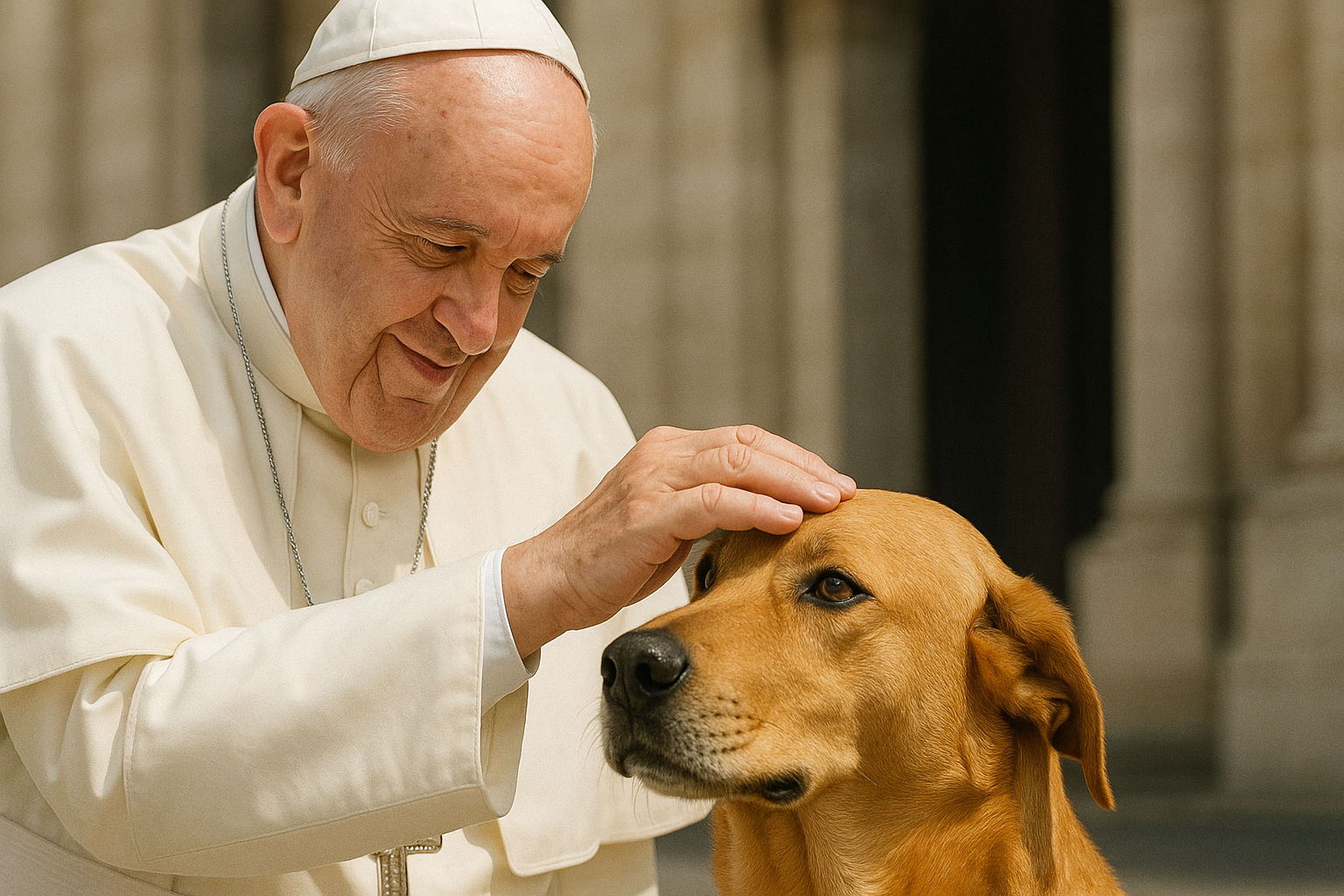
In his homily, he spoke of renewal, not only in our relationship with God and with one another, but also with creation. And he reminded us of something we rarely think about in church: creation includes animals.
Yes, animals.
Ash Wednesday is usually the first day of the Lent season. As Lent unfolds, Christians across Kenya enter forty days of prayer, fasting, and almsgiving. Traditionally, this sacred season calls for personal renewal, strengthening prayer, practicing restraint, and examining conscience.
But Lent also invites a deeper question: How do we treat the most vulnerable among us, including animals?
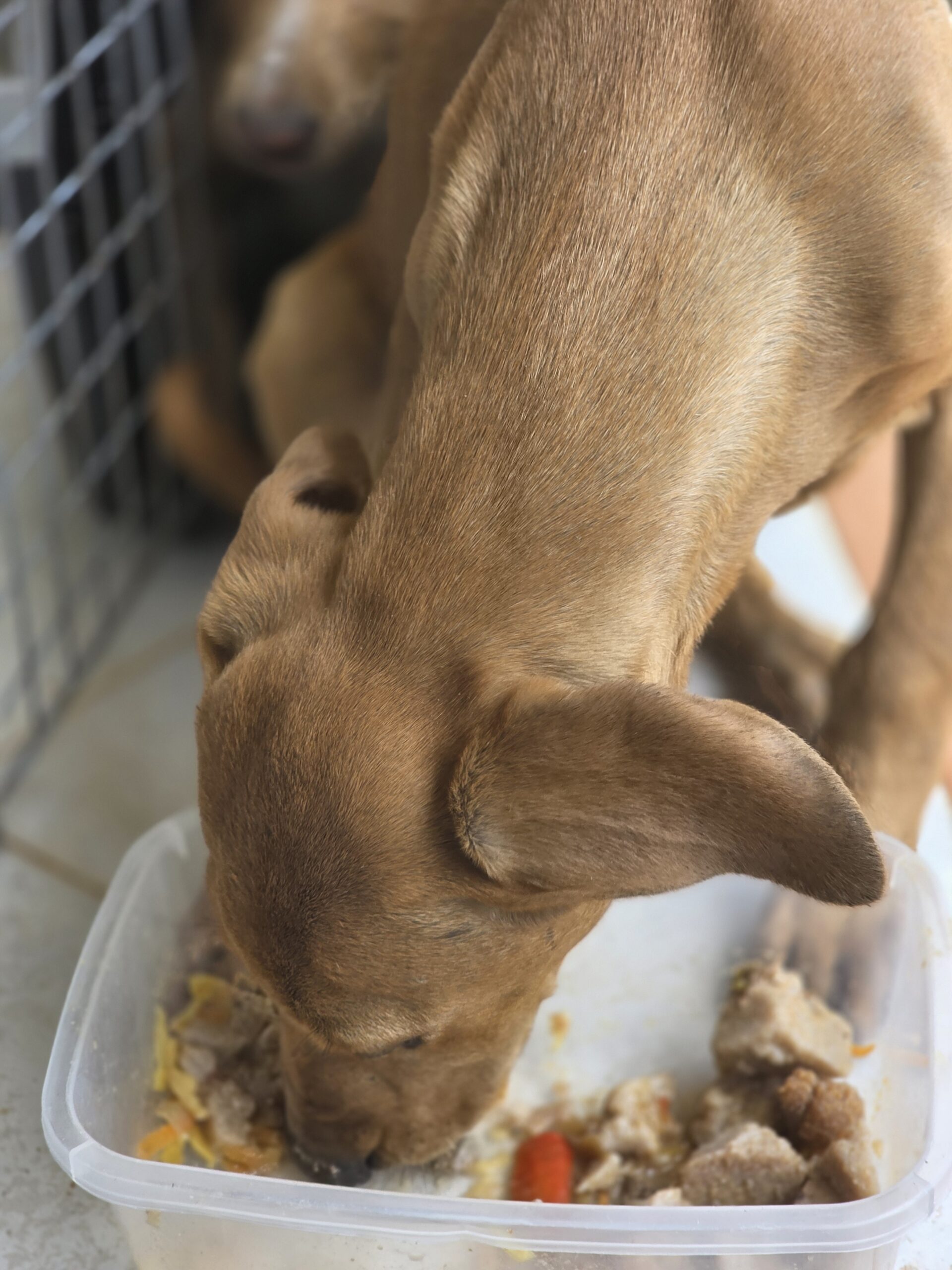
As often attributed to Mahatma Gandhi, “The greatness of a nation can be judged by the way it treats its animals.” If this is true, Lent must move us beyond private devotion toward humane laws, responsible ownership, and everyday acts of mercy.
The Quiet Suffering Around Us
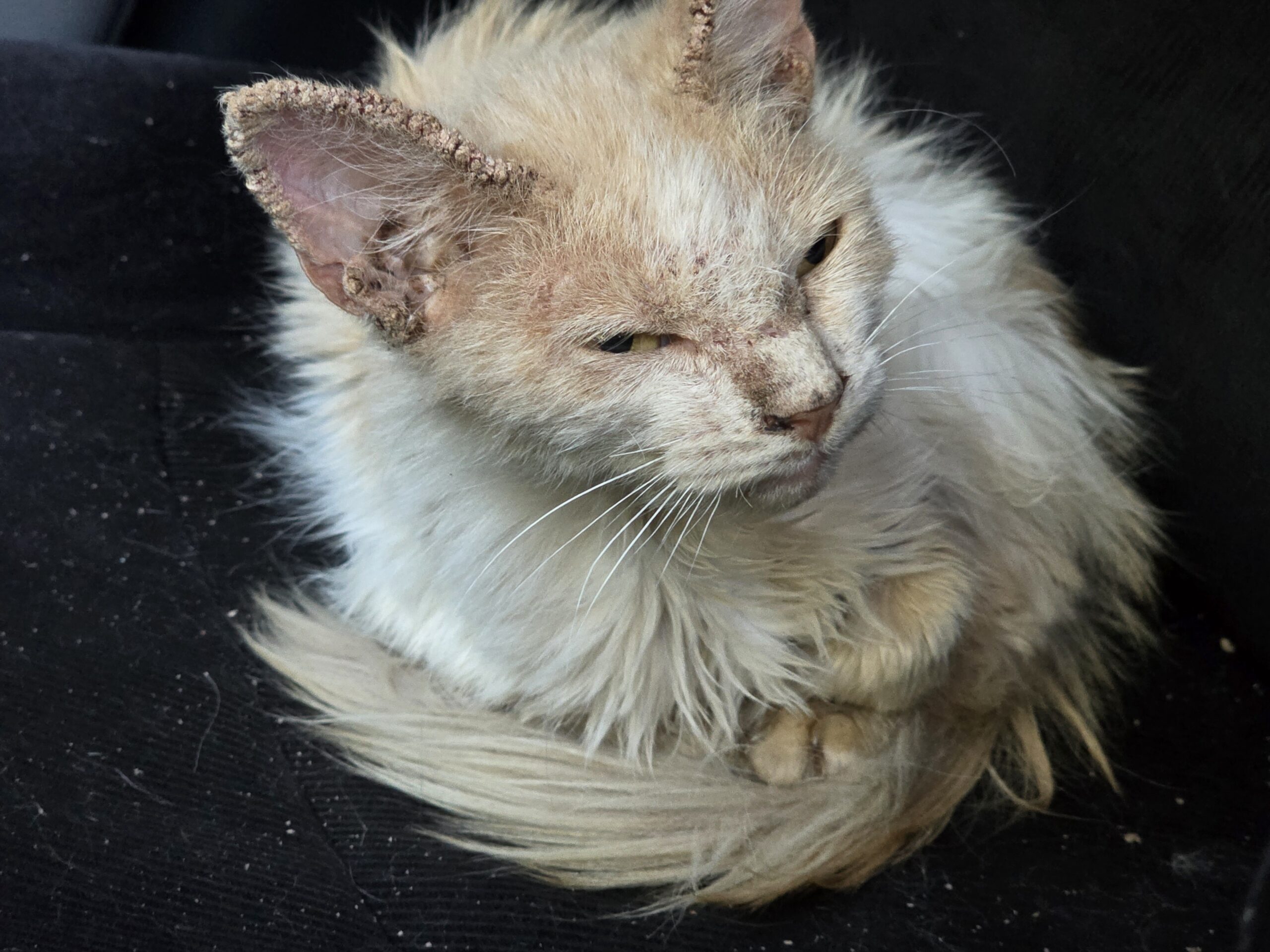
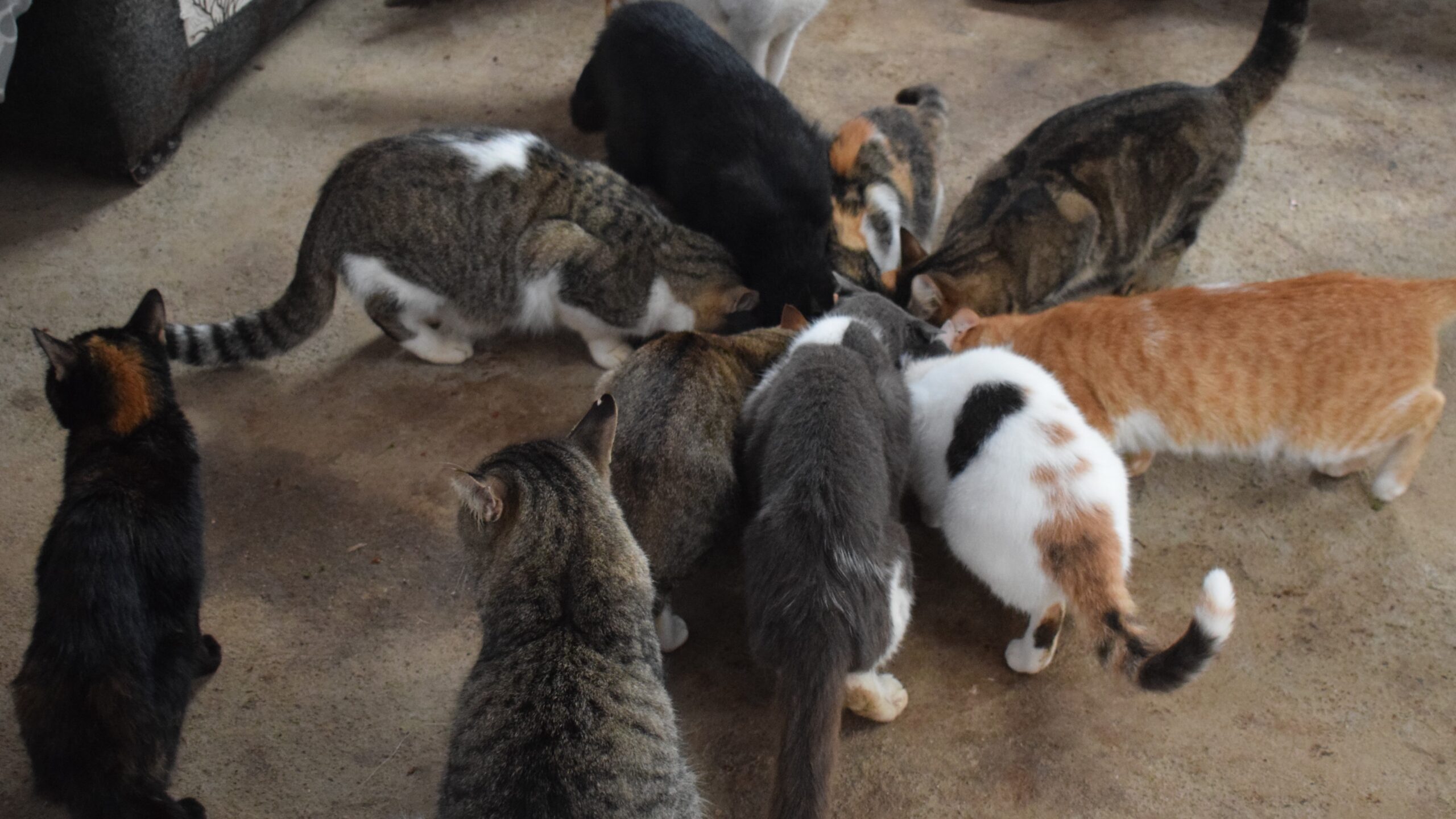
Across our towns, estates, and villages, stray dogs roam in search of food. Abandoned kittens hide in drainage systems. Working animals endure long hours with little care.
Shelters such as the Kenya Society for the Protection and Care of Animals (KSPCA) and Nairobi Feline Sanctuary (NFS) remain overstretched and underfunded, quietly carrying a burden that rarely makes headline news.
Limited space, rising feeding costs, and expensive medical treatment continue to strain already limited resources. KSPCA, for instance, is currently at full capacity, hosting more than 500 animals, including dogs, cats, and donkeys.
According to Dr. Desmond Tutu, a veterinarian at KSPCA, many animals arrive at shelters in critical condition after road accidents or prolonged neglect.
“The main challenge right now is space for holding injured stray animals. The numbers are high, and a lot of resources go into feeding and managing their welfare. Many animals arrive quite late and in critical condition, making medical care very expensive,” he explains.
At the same time, stray animal populations in Kenya number in the tens of thousands, with the highest concentrations in urban centres. Nairobi alone is estimated to have over 50,000 stray dogs. Rabies, a disease closely linked to uncontrolled dog populations, is estimated to cause up to 2,000 human deaths annually.
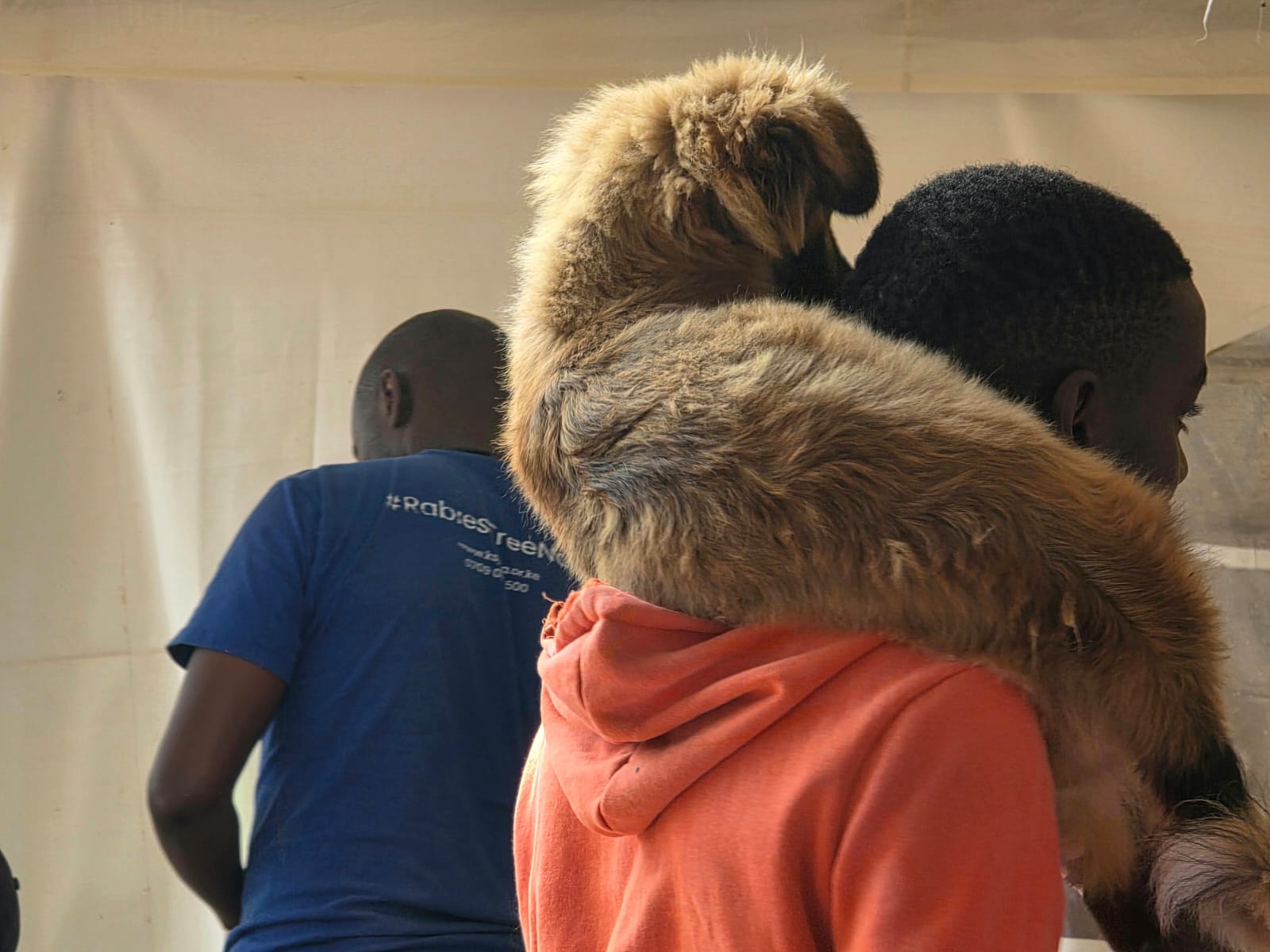
The Strategic Plan for the Elimination of Human Rabies in Kenya (2014–2030) provides a framework for systematically reducing rabies risk through sustained mass dog vaccination, pre- and post-exposure prophylaxis, and public education, with the goal of eliminating human dog-mediated rabies. Unlike many other communicable diseases, rabies is preventable but incurable once symptoms appear.
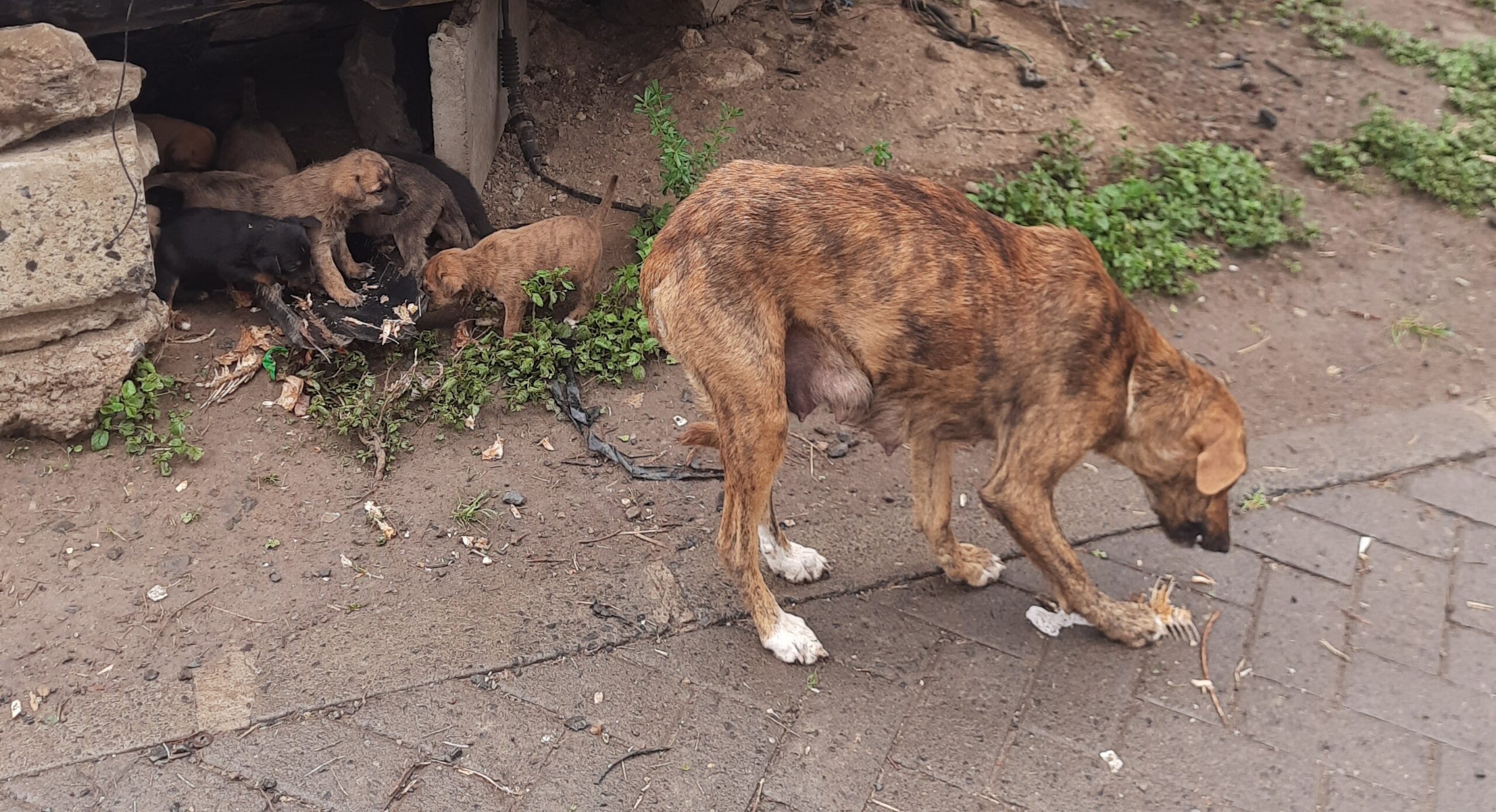
According to the Kenya Veterinary Association (KVA), spaying and neutering are critical, humane, and highly effective methods for controlling stray animal populations. These procedures are considered the most effective long-term solution for preventing unwanted litters, reducing overpopulation, and combating the spread of diseases such as rabies.
As Dr. John Owino, Vice President of the Kenya Veterinary Association, explains:
“Spaying and neutering is not just a medical procedure but a crucial community-wide public health and animal welfare intervention to stop the cycle of uncontrolled breeding.”
He adds that by combining responsible pet ownership with community-based advocacy and support systems, the number of homeless animals can be significantly reduced.
Vaccination, sterilisation, and responsible pet ownership are therefore not luxuries. They are urgent public health priorities.
This is not sentimentalism. It is stewardship.
A Lenten Street Rescue
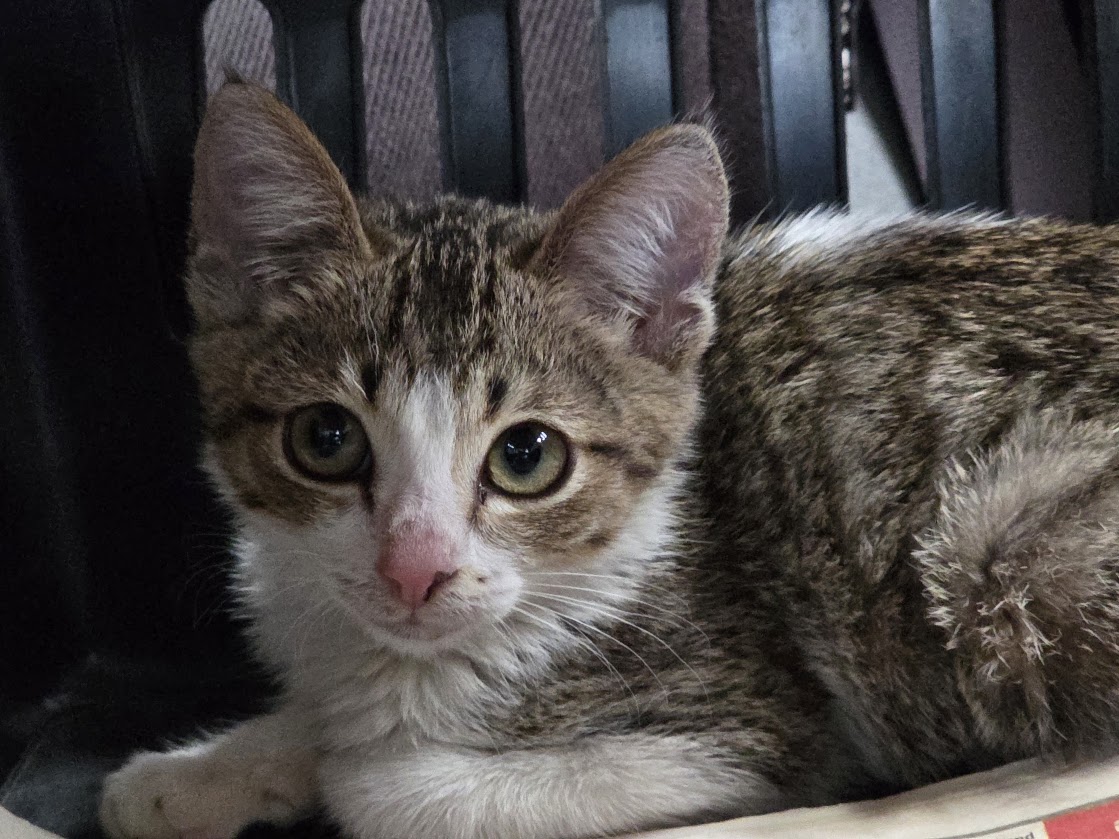
Not long ago during this Lent season, while walking along a busy street in Nairobi, I almost stepped on a tiny kitten curled quietly near the pavement. At first glance it looked well fed, almost as if it belonged somewhere. But when I crouched and gently called out, the kitten cautiously emerged from beneath a parked car.
In that brief moment, its hesitation spoke volumes. Was it abandoned? Lost? Or simply another small life learning to survive on the streets?

Encounters like this happen more often than we realise. They remind us that behind every statistic about stray populations is a living creature waiting for care, safety, and compassion.
In that moment, Lent stopped being an abstract season of sacrifice. Instead, it became a call to act with compassion when vulnerable lives appear directly in our path.
Dominion Is Responsibility
Genesis 1:28 calls humanity to exercise dominion responsibly, while Proverbs 12:10 says: “The righteous care for the needs of their animals.”
These verses remind us that compassion, therefore, is not optional; it’s integral to faith.
Animals depend entirely on human responsibility. Their vulnerability stems from abandonment, neglect, uncontrolled breeding, lack of vaccination, weak enforcement, and indifference. Lent invites us to confront that indifference.
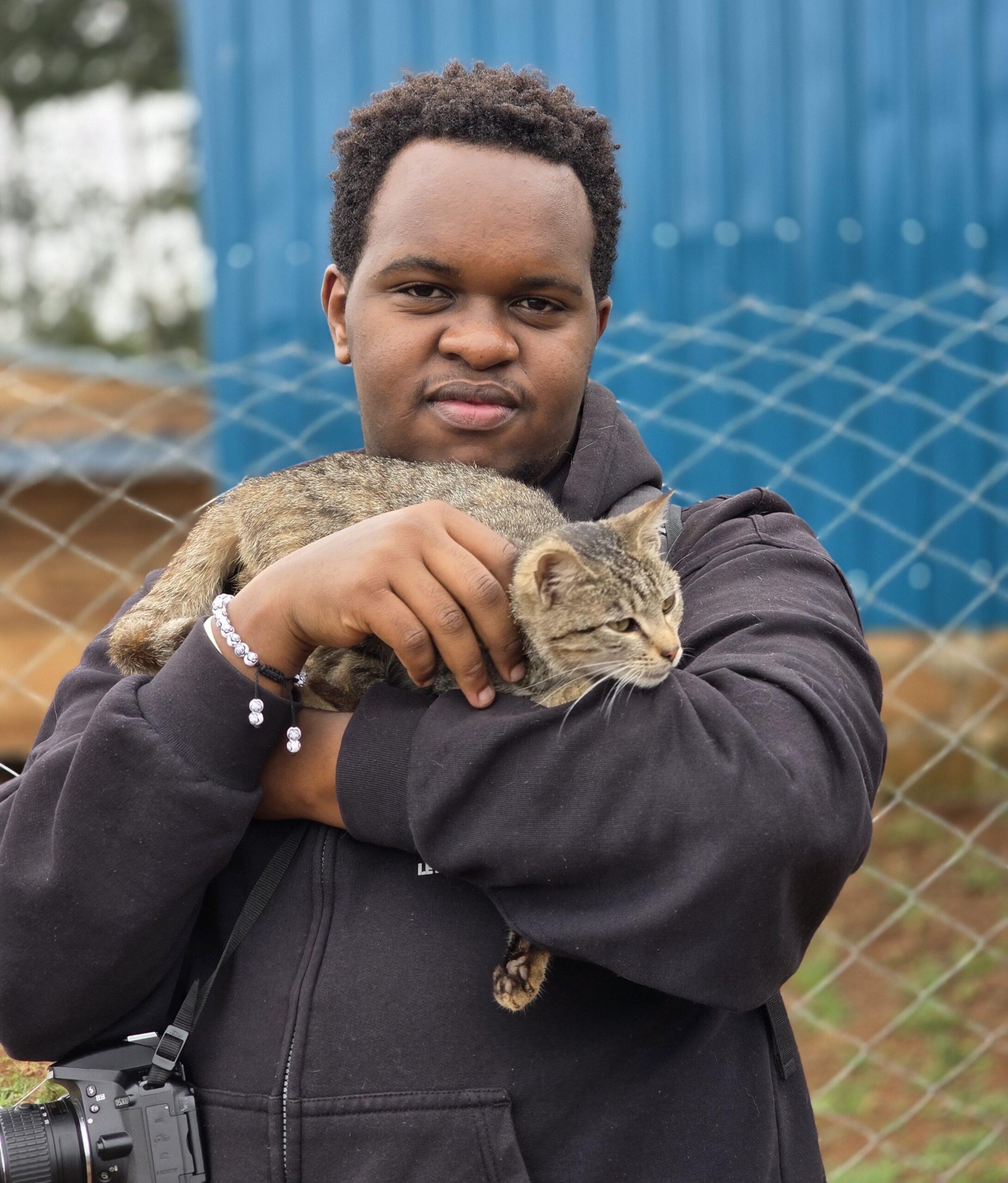
As the late Pope Francis often reminded us, caring for animals is both a moral and spiritual duty. In one of his General Audiences, he said: “God entrusted animals to us, not to mistreat them, but to care for them.” His words call us to see dominion not as control, but as compassion, the very heart of our responsibility toward creation.
Fasting That Extends Beyond Ourselves
Fasting is not merely abstaining from food. It creates margin, in time, in spending, in attention. The Church teaches that what is saved should be redirected toward those in need.
Yet “the needy” is often defined narrowly as human.
Animal welfare, however, intersects directly with the public interest. Vaccination reduces disease transmission. Sterilisation lowers stray populations. Humane education nurtures empathy in children. Responsible ownership reduces neighbourhood conflict and public safety risks. Proper waste management reduces scavenging and environmental contamination.
As Dr. Desmond Tutu notes, many animals brought to shelters are abandoned puppies and kittens. This highlights the urgent need for greater public awareness about responsible pet ownership, including vaccination, proper feeding, safe housing, and spaying or neutering.
Some argue that human suffering must take precedence. Kenya indeed faces unemployment, food insecurity, and healthcare challenges. Yet compassion is not finite. Mercy extended to animals strengthens mercy elsewhere. A society capable of kindness in one sphere deepens its moral reflex in all others.
Beyond Personal Devotion
Kenya’s legal framework including the Prevention of Cruelty to Animals Act (CAP 360) and the Wildlife Conservation and Management Act (2013) provides a foundation. Yet outdated provisions, uneven enforcement capacity, limited resources, and low public awareness dilute impact, particularly for domestic and farm animals.
Policy reform matters. But culture changes when individuals act. A society that normalises neglect gradually erodes its moral reflex. Indifference tolerated in one sphere inevitably seeps into others.

Lent is an opportunity to recalibrate, to align belief with conduct and faith with responsibility.
40 Days of Kindness Towards Animals
This Lent, consider embracing a simple practice: “40 Days of Kindness towards animals”: Place clean water outside during extreme heat. Support vaccination and sterilisation drives. Feed responsibly and safely. Report cruelty. Offer temporary shelter during heavy rains. Teach children humane treatment. Donate to or volunteer at a shelter.
Small acts practiced consistently reshape culture. I spoke with two animal lovers, and this is what they had to say.
For Clara Jacinta,
“Caring for animals teaches patience, responsibility, and empathy. When we protect them, we are also nurturing kindness within ourselves.”
Alice Ndonye observes that compassion toward animals is a moral duty.
“Animals cannot speak for themselves. They cannot file complaints, write letters, or cry out for justice in language we understand. Yet they feel pain, fear, hunger, and loneliness. Choosing kindness toward them is not just an ethical option; it is a moral responsibility.”
Indeed, when kindness becomes routine rather than occasional, it strengthens public health, reinforces responsibility, and deepens moral character.
Widen the Circle of Compassion
Forty days is long enough to begin forming new habits. The goal is not to rescue every abandoned animal. It is to refuse indifference. To accept responsibility where we can. To let fasting feed more than ourselves. To let repentance influence how we exercise care for the voiceless in our homes, streets, and communities.

Compassion does not weaken society. It strengthens its moral foundation.
This Lent, widen the circle of mercy. Make faith visible not only in prayer, but in practice.
At Whisker Wonders Kenya, we believe renewal must extend to every living creature entrusted to our care. When we protect the voiceless, we do more than show kindness; we live out the values we profess.
Read more: