
By Cecilia Kimuyu,
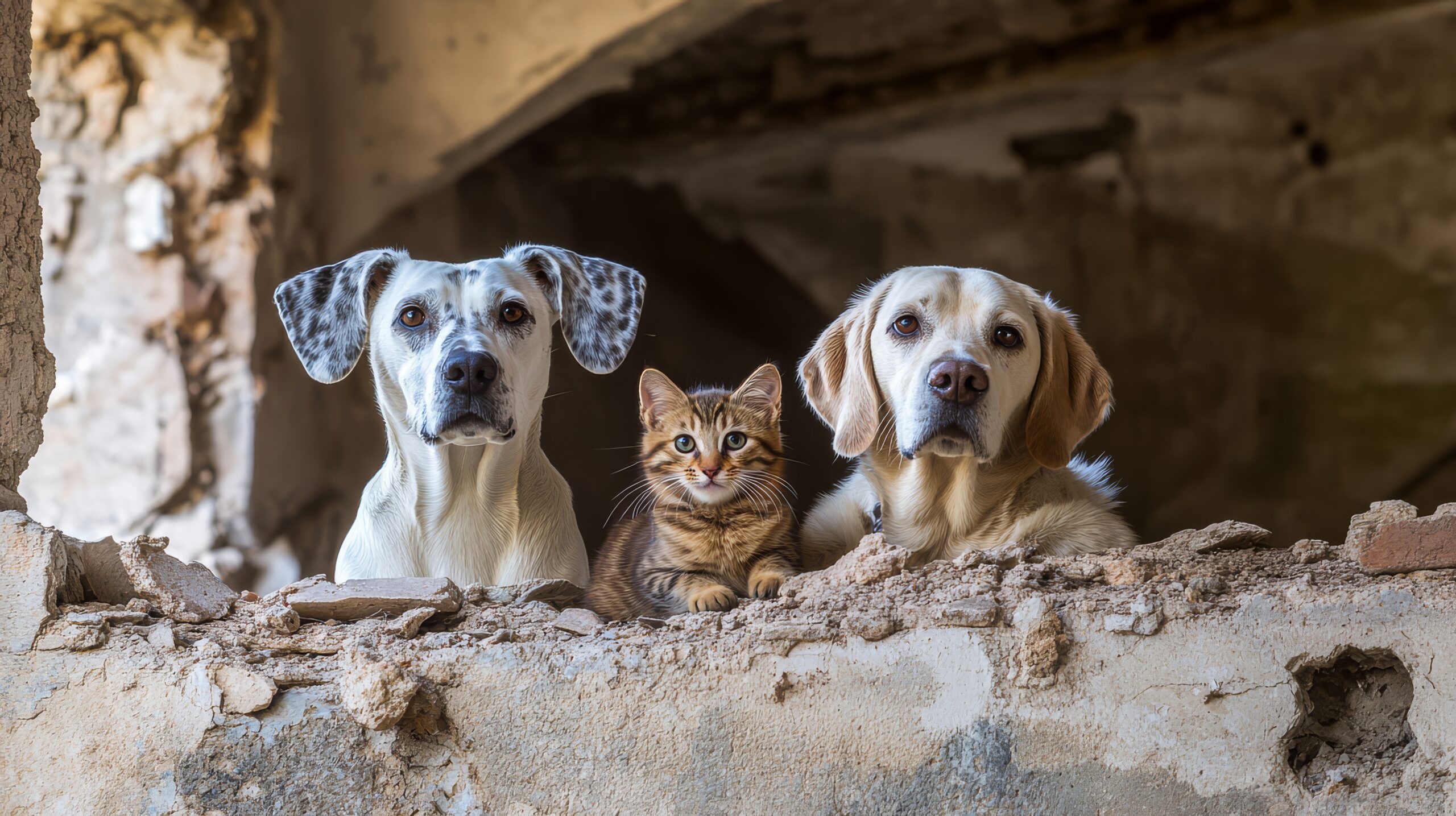
Every day across Kenya, animals suffer in silence.
From overworked donkeys hauling heavy loads in the scorching sun, to neglected pets chained in backyards, to street dogs and cats scavenging for scraps, and farm animals confined in cramped, inhumane spaces—their pain often goes unseen, unheard, and unaddressed. But a groundbreaking new bill could finally change their fate.
The Animal Welfare and Protection Bill, 2024 promises to replace outdated laws, introduce stronger penalties for cruelty, and establish clear protections for animals in homes, farms, laboratories, and beyond. If passed, it could mark a turning point—saving thousands of lives and reshaping how Kenya treats its most vulnerable creatures.
On June 18, 2025, the Ministry of Livestock, through the State Department for Livestock, will host a public participation forum at KALRO Headquarters to review this transformative proposal. The bill seeks to regulate the ownership, custody, and handling of animals across all environments—whether on farms, in homes, in transit, in research facilities, or in shelters.
A Long-Overdue Overhaul
This legislation is intended to replace the Prevention of Cruelty to Animals Act (Cap. 360 of 1962). Though progressive in its time, the 1962 law no longer meets today’s standards. It fails to recognise animals as sentient beings, lacks robust enforcement mechanisms, and imposes weak penalties—just KSh 3,000 or six months in jail.
The new bill proposes a significant upgrade: fines of up to KSh 200,000, prison terms of up to two years, and authority to confiscate abused animals, prosecute offenders, and reassign custody. It also introduces Animal Welfare Advisory Committees at both national and county levels to guide implementation.
Beyond being a legal update, this bill is a paradigm shift—recognising animals not as property, but as living beings with rights and needs. It sets enforceable standards to ensure all animals receive proper shelter, food, vet care, and respectful treatment. The bill also regulates practices in farming, slaughter, research, and education, embedding safeguards to reduce suffering. By aligning with international conventions, it signals that compassion is the new standard in Kenya’s legal system.
Recognising Sentience, Enshrining Rights
For the first time in Kenya’s legal history, animals will be formally recognised as sentient beings—capable of feeling pain, fear, and joy. This recognition establishes a powerful moral and legal framework for animal protection.
Central to the bill are the Five Freedoms: freedom from hunger and thirst, discomfort, pain or disease, fear and distress, and the freedom to express natural behaviour. These are not just ideals—they are enforceable rights for every animal.
From Compassion to Consequences
The bill outlines clear offences, including beating, overworking, starving, or abandoning animals, and denying them medical care. It prohibits harmful procedures, failure to euthanise when necessary, and excessively painful slaughter or hunting practices.
Authorities will be empowered to rescue animals, prosecute abusers, and assign custody to safe homes. Offenders may also be required to pay for the animal’s rehabilitation. Justice will now come with consequences.
Looking Ahead: Breeding and Sterilization
While the bill doesn’t directly regulate breeding or require spaying and neutering, it builds the foundation for future reform. By recognising sentience and defining legal responsibilities, it opens the door for targeted policies—such as community-led sterilization programmes and stray animal management—under the guidance of the new advisory bodies.

Whisker Reflection
The Animal Welfare and Protection Bill, 2024 is a landmark in Kenya’s legislative history. It reflects a national awakening to the needs of animals—and a deeper sense of responsibility from those who live among them.

This is great progress. However, how do they identify an owner of an abandoned animal or a stray?
I feel neutering & Spaying should become the norm and be enforced, to help curb the over population crisis of cats & dogs especially. Govt should give a subsidy to low income or no income persons. A token/ticket that can be presented to a licensed vet to perform the procedure. Until all shelters are not empty, breeding should not be allowed. Selling/hawking of animals definitely should not be allowed.
Anyone keeping a pet must be liable for vaccinations, neuter/spay, microchip, good nutrition and shelter for the animal.
When reported, a case should be investigated urgently and powers given to animal welfare organisations and charities to assist.
There is still many protocols that need to be added to the bill before passing.
This is great progress. However, how do they identify an owner of an abandoned animal or a stray?
I feel neutering & Spaying should become the norm and be enforced, to help curb the over population crisis of cats & dogs especially. Govt should give a subsidy to low income or no income persons. A token/ticket that can be presented to a licensed vet to perform the procedure. Until all shelters are not empty, breeding should not be allowed. Selling/hawking of animals definitely should not be allowed.
Anyone keeping a pet must be liable for vaccinations, neuter/spay, microchip, good nutrition and shelter for the animal.
When reported, a case should be investigated urgently and powers given to animal welfare organisations and charities to assist.
There is still many protocols that need to be added to the bill before passing.
It’s interesting how humans can be selfish. We keep on agitating for change of laws governing humans, drumbeats of referenda fill the air everywhere and all the time, yet we forget about our animals.
I’m shocked that we still rely on the pre-independance laws of 1962. It’s clearly Not Yet Uhuru in the animal kingdom.