Servant, Reformer, Shepherd: Pope Francis in 10 Leadership Lessons
By Whisker Wonders,
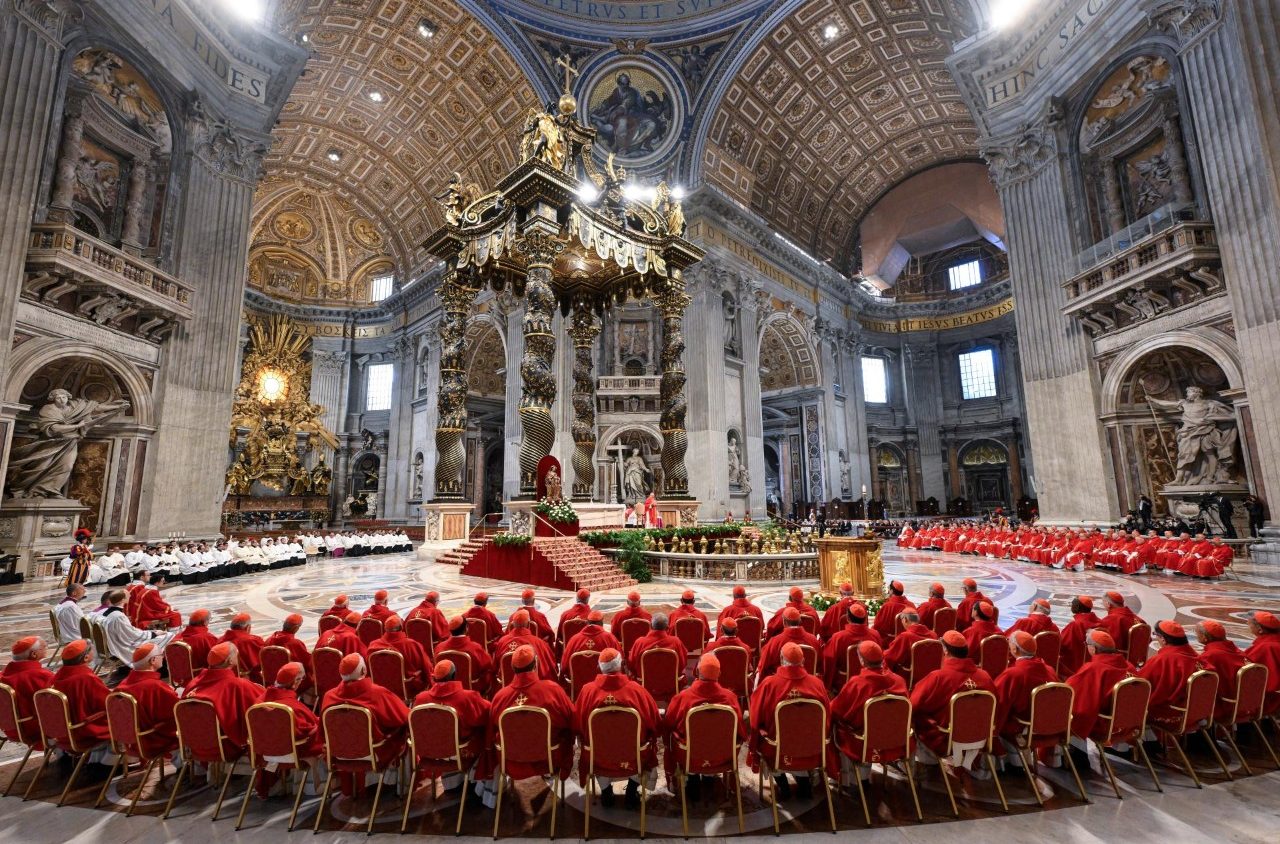
As cardinals gather in Rome to elect the next pontiff, the memory of Pope Francis remains vividly alive in the hearts of millions. He’ll be remembered for his humility, fearless compassion, and bold reforms—especially for the poor, the planet, and the voiceless. His leadership redefined power as service, setting a profound example for the world.
Here are 10 transformative leadership lessons from Pope Francis, each backed by action:
- Lead with Humility: Service, not Status
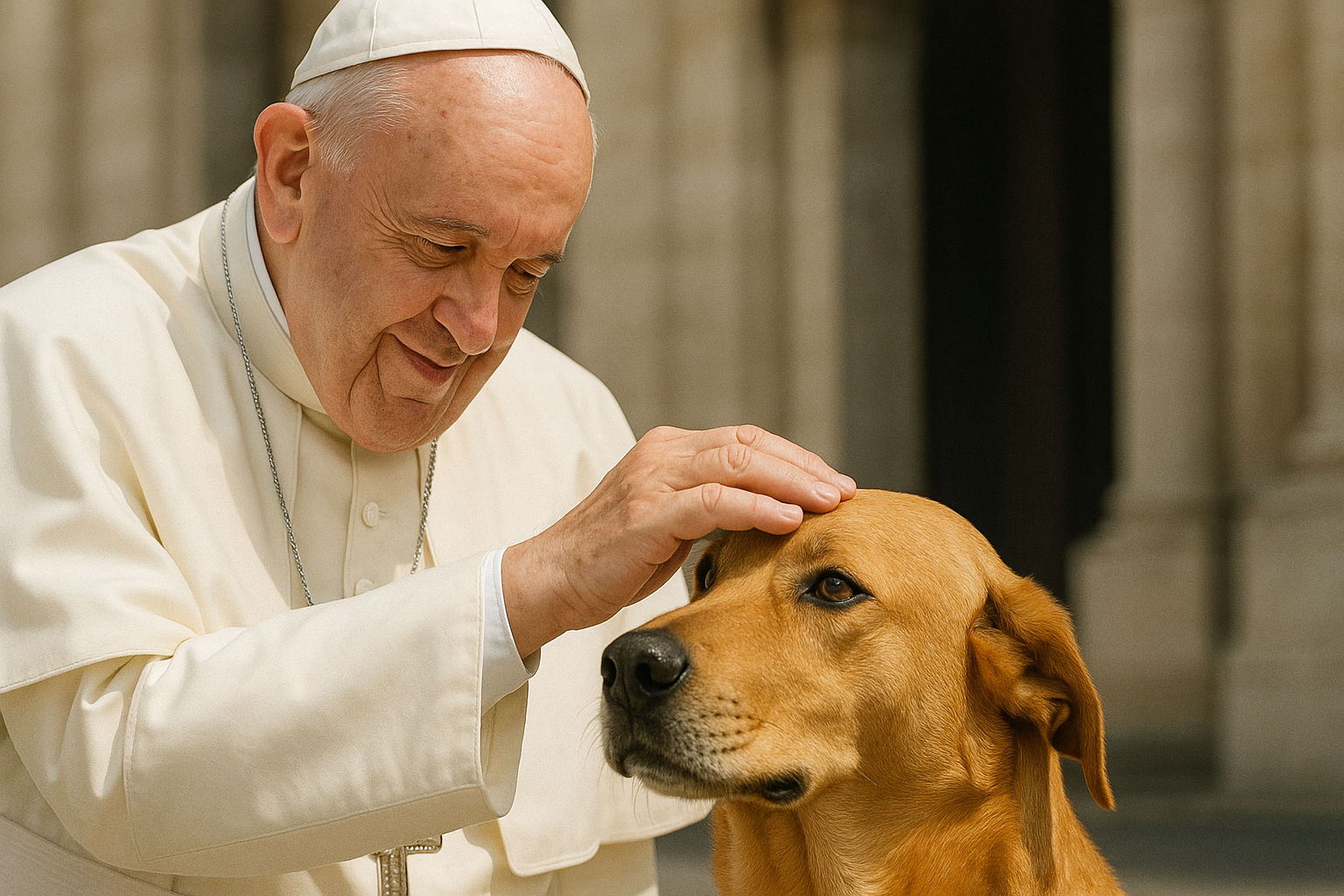
Francis lived in a modest guesthouse instead of the papal palace, carried his own luggage, and used a Ford Focus instead of a luxury vehicle. He declined being called “Your Holiness,” preferring “Father.” His life embodied servant leadership from day one.
- Prioritise the Marginalised: True Power Uplifts
He washed the feet of refugees—including women and Muslims—visited prisons, and opened Vatican facilities to the homeless. In 2015, during his visit to Kenya, he celebrated Mass not in a grand cathedral, but in Kangemi, a densely populated slum in Nairobi. It was a powerful symbol of solidarity. He insisted the Church be a “field hospital,” not a fortress.
- Embody Your Message: Walk the Talk
From rejecting golden crosses for a simple iron one to quietly calling the sick or bereaved, Pope Francis lived his values. After his election, he paid his own hotel bill and refused a limousine. His authenticity earned global respect—even among non-Catholics.
- Simplicity as Strength: Influence Needs no Excess
He refused the red velvet papal cape, the papal throne, and extravagant vestments, instead choosing plain garments and simple ceremonies. His leadership proved that greatness doesn’t need grandeur.
- Build Bridges, Not Walls: Inclusion over Exclusion
Whether reaching out to atheists, Muslims, or LGBTQ+ communities, Francis emphasized mercy and belonging. His now-famous “Who am I to judge?” became a global call for empathy over condemnation.
- Confront Injustice Fearlessly: Speak Truth to Power
He condemned economic systems that exclude, criticized global arms trade, and demanded accountability within the Church. He directly addressed sexual abuse scandals, calling for justice and repentance—even when it meant challenging entrenched powers.
- Defend the Planet: Environmental Care is Spiritual Duty
His encyclical Laudato Si’ reframed climate change as a moral and spiritual crisis. He called on nations, corporations, and individuals to protect our common home, linking environmental destruction to human suffering.
- Reform from Within: Tradition must Evolve
He brought transparency to Vatican finances, simplified bureaucracy, and initiated conversations on celibacy, divorce, and LGBTQ+ inclusion. His reforms were a call to keep the Church relevant and morally accountable.
- Empower Women: Break the Stained-glass Ceiling
He appointed women to senior Vatican roles for the first time in history. Sister Nathalie Becquart became the first woman with voting rights in a Synod. Francesca Di Giovanni was named to a key post in the Secretariat of State. These moves quietly shattered centuries-old barriers.
- Share Leadership: Power is Collective
He promoted “synodality”—a decentralized model of Church governance built on listening and shared decision-making. He encouraged bishops, clergy, and laypeople to contribute meaningfully to the Church’s direction, making leadership a shared responsibility.
—-
Pope Francis leaves behind a papacy not marked by pomp but by purpose. As the world awaits the next pope, his legacy remains a compass for leaders everywhere: to lead with love, courage, and unwavering humility.