By Whisker Wonders Kenya,
Last week, I rolled up my sleeve for the first shot of the rabies vaccine. As someone passionately involved in animal rescue and rehoming, I couldn’t take any chances especially after the Kenya Veterinary Association (KVA) announced a new rabies campaign in commemoration of this year’s Rabies Day on September 28th.
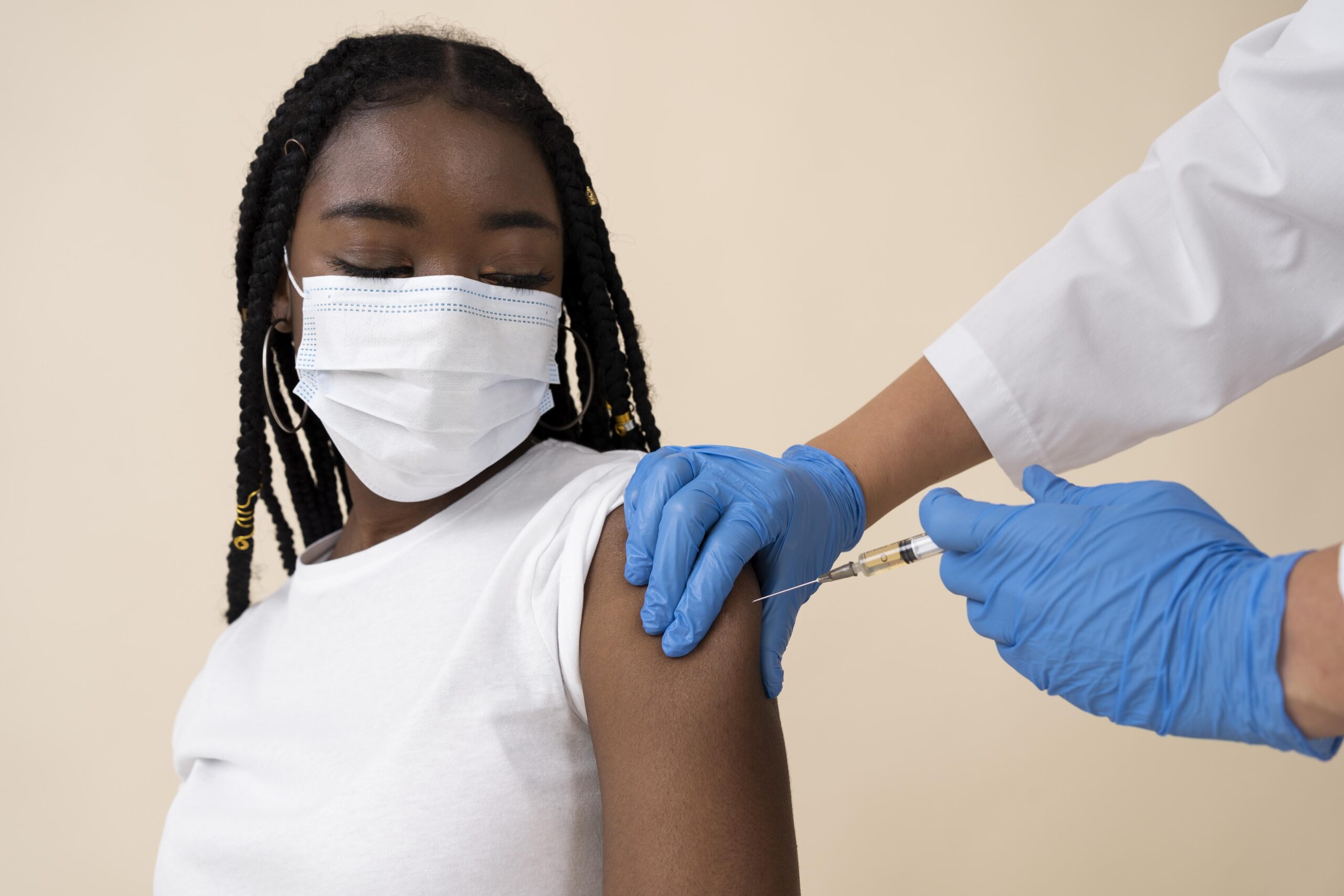
Many people don’t realize there’s a human vaccine. In fact, when a friend called while I was at the clinic, she was shocked: “Do you have rabies? I thought the rabies vaccine was only for dogs and donkeys!” That moment reminded me just how little is known about this deadly but preventable disease.
What is Rabies?
Rabies is a viral disease that attacks the brain and nervous system of both humans and animals. It spreads through the saliva of an infected animal, most commonly via bites, scratches, or licks on broken skin. Once symptoms set in such as fever, confusion, tingling at the wound site, or fear of water, rabies is almost always fatal.
The tragedy is that rabies is 100% preventable through timely vaccination of both humans and animals.
Who Is at Risk?
Rabies doesn’t discriminate, but some groups face a higher risk of exposure:
- Animal lovers and rescuers: Frequent contact with stray or unvaccinated animals increases risk. Pre-exposure vaccination is strongly recommended for animal handlers, rescuers, vets, and people living in or traveling to high-risk areas.
- Children: Kids are especially vulnerable because they often play with animals and may not report bites or scratches.
- Communities with stray dog populations: In many parts of Africa and Asia, dogs remain the main source of human rabies cases.
- Outdoor workers and travelers: Farmers, hunters, forestry workers, or tourists exploring caves and forests risk exposure from bats, monkeys, and other wildlife.
- Anyone bitten or scratched: Even a small lick on broken skin can transmit the virus if the animal is infected.
How is the Human Rabies Vaccine Given?
The rabies vaccine is offered in three doses—on day 1, day 7, and day 28. It is administered as an intramuscular injection, usually in the upper arm (deltoid muscle). A booster is recommended after one year to maintain strong protection.
The vaccine is generally well tolerated, with only mild side effects such as soreness at the injection site, slight fever, or fatigue. Importantly, if someone who has completed the three-dose series is later bitten or scratched, they only need two quick booster doses (on day 0 and day 3). This is much easier than the full post-exposure treatment required for unvaccinated people, which involves multiple injections and rabies immunoglobulin (RIG).
Why Prevention Matters
For rescuers like me, the rabies vaccine is a shield of protection. It doesn’t mean you ignore medical care after a bite, you still need post-exposure treatment, but it reduces the number of doses and provides peace of mind.
More importantly, mass vaccination campaigns remain the most effective way to break the cycle of transmission, protecting both people and animals.
Rabies is one of the oldest known diseases, yet it continues to claim tens of thousands of lives every year. The good news is that no one should die of rabies today. With awareness, vaccination, and responsible pet ownership, we can move closer to a rabies-free world.
Whisker Wonders Reflection 🐾
At Whisker Wonders, we share stories of love, rescue, and the special bond between people and animals—but with that love comes responsibility. Rabies reminds us that while animals bring us joy, they also need protection, just like we do. By vaccinating our pets, supporting rabies campaigns, and spreading awareness, we protect lives and give animals a fair chance to thrive. Preventing rabies is ultimately about compassion, community, and ensuring our furry friends continue to fill our lives with joy and wonder.
Read more: Why Rabies Shot is good for your pet.