Many cats love milk—but it might be doing more harm than good.
There’s something timeless about the image of a cat curled up next to a bowl of milk. It shows up in cartoons, children’s books, and old family tales. At Whisker Wonders, we’ve heard plenty of those stories—like the village tabby who leapt onto the table mid-prayer and slurped the pastor’s milk before anyone could say “Amen.”
It’s cute. It’s cheeky. But is it safe?
Let’s separate fact from folklore and uncover the surprising truth about milk and our feline friends.
🐱 Why Do Cats Love Milk?
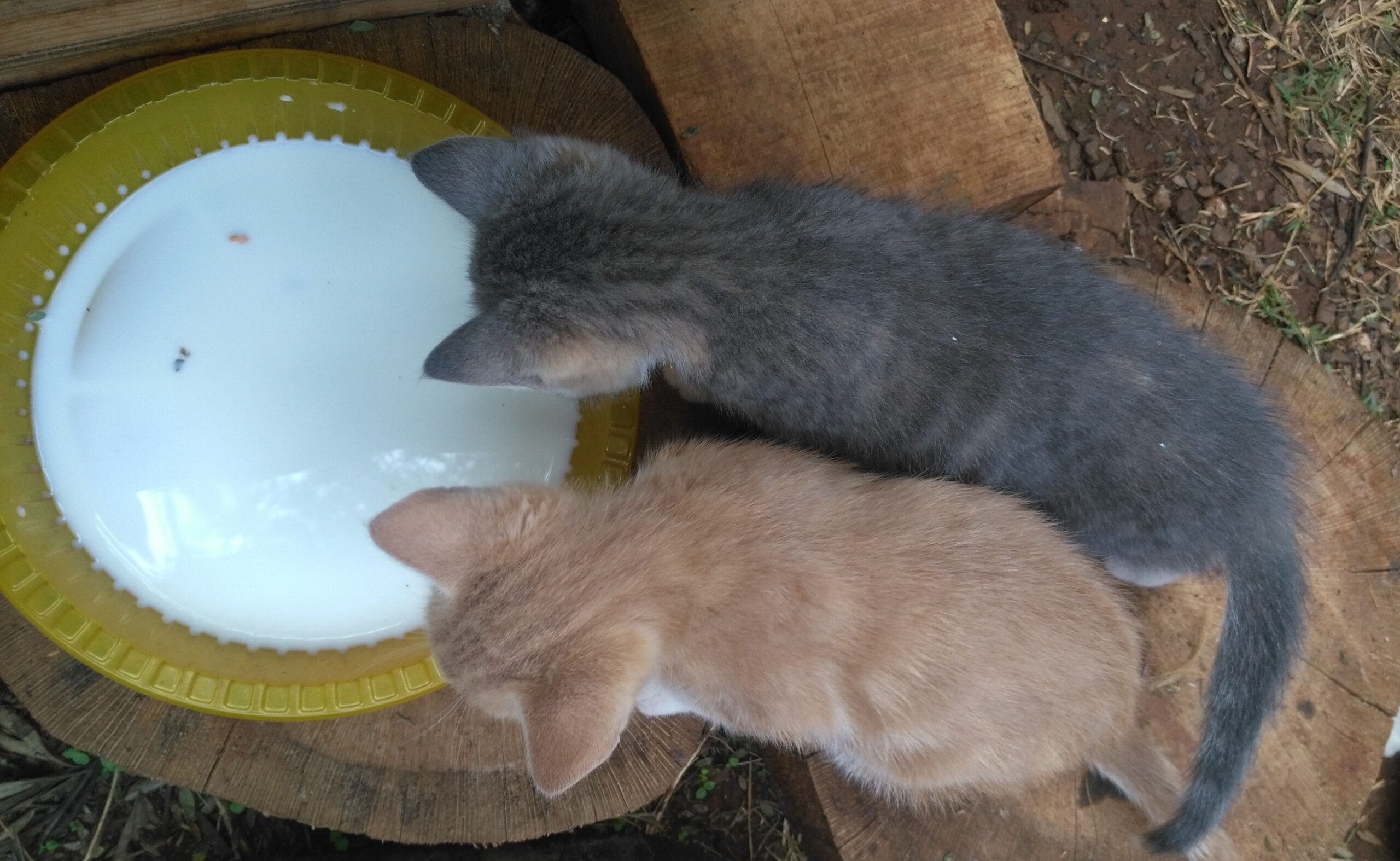
To a cat, milk is the ultimate comfort food—warm, fatty, and rich-smelling. The scent alone can send your feline into a frenzy. They’ll paw at your cup, circle your cereal bowl, or even try to tip over the milk jug.
So yes, they adore it.
But that doesn’t mean it’s good for them.
🚫 The Not-So-Cute Side: Most Cats Are Lactose Intolerant
Despite their enthusiasm, most adult cats are lactose intolerant. After weaning, their bodies produce less lactase—the enzyme that breaks down lactose, the sugar in milk. Without enough lactase, milk becomes a digestive nightmare.
When cats drink regular cow’s milk, they may experience:
-
Diarrhea
-
Gas and bloating
-
Cramping
-
Vomiting
Not exactly the purring, content kitty we imagine when offering a creamy treat.
🔍 How to Tell If Your Cat Is Lactose Intolerant
You might not need a vet test—your cat will tell you with their body. If they drink milk and show signs like:
-
💩 Diarrhea
-
🌬️ Gas or bloating
-
🤢 Vomiting
-
😿 Cramping or discomfort
-
🐾 Flatulence or noisy digestion
-
😾 Lethargy or hiding
…then they’re likely lactose intolerant.
These symptoms usually appear within 8 to 12 hours of consuming dairy. If symptoms are frequent or severe, it’s best to avoid milk altogether and consult a vet to rule out other issues like food allergies or gastrointestinal conditions.
🍼 What About Kittens?
Newborn kittens drink their mother’s milk—perfectly tailored for their needs. Orphaned kittens should be given kitten formula, not cow’s milk. Cow’s milk lacks vital nutrients and can cause serious tummy troubles.
So whether your feline is a few weeks old or fully grown, cow’s milk is not a healthy choice.
✅ Safe Alternatives for Milk-Loving Cats
If your cat loves milk (and most do), don’t worry—you can still give them something creamy and satisfying without the digestive distress.
Try these healthy, safe alternatives:
-
Lactose-free cat milk – Specially formulated for feline digestion, available in pet stores.
-
Diluted cow’s milk (rarely) – Mix 50/50 with water and serve only in small amounts. Monitor your cat closely.
-
Plain water – The healthiest and most important drink for your cat. Always keep it fresh and full.
-
Low-sodium meat broth – Homemade or store-bought (make sure it’s onion- and garlic-free). Hydrating and flavorful.
-
Wet cat food – A tasty way to increase water intake, especially if your cat doesn’t drink enough.
📝 Whisker Wonders Tip: Warm a little lactose-free milk or broth to mimic that cozy comfort your cat craves—without the tummy troubles.
🐾 Whisker Wonders Reflection
At Whisker Wonders, we’ve met cats who’d do anything for a drop of milk. Some opened fridge doors. Others—like that mischievous village cat—relied on perfect timing and shameless charm.
But behind the laughs is a gentle reminder: Loving your cat means knowing what’s safe. It means saying “no” to that pleading look if it could hurt them.
📣 Got a Milk Mischief Tale? Has your cat ever hijacked your tea, cereal, or flat-out tipped over the milk jug? We’d love to hear about it!
Share in the comments, tag us on Facebook, Instagram or Twitter – Whisker Wonders Kenya. Your story might be featured in our next community roundup!