My short stay with a special needs cat still haunts me
By Whisker Wonders,
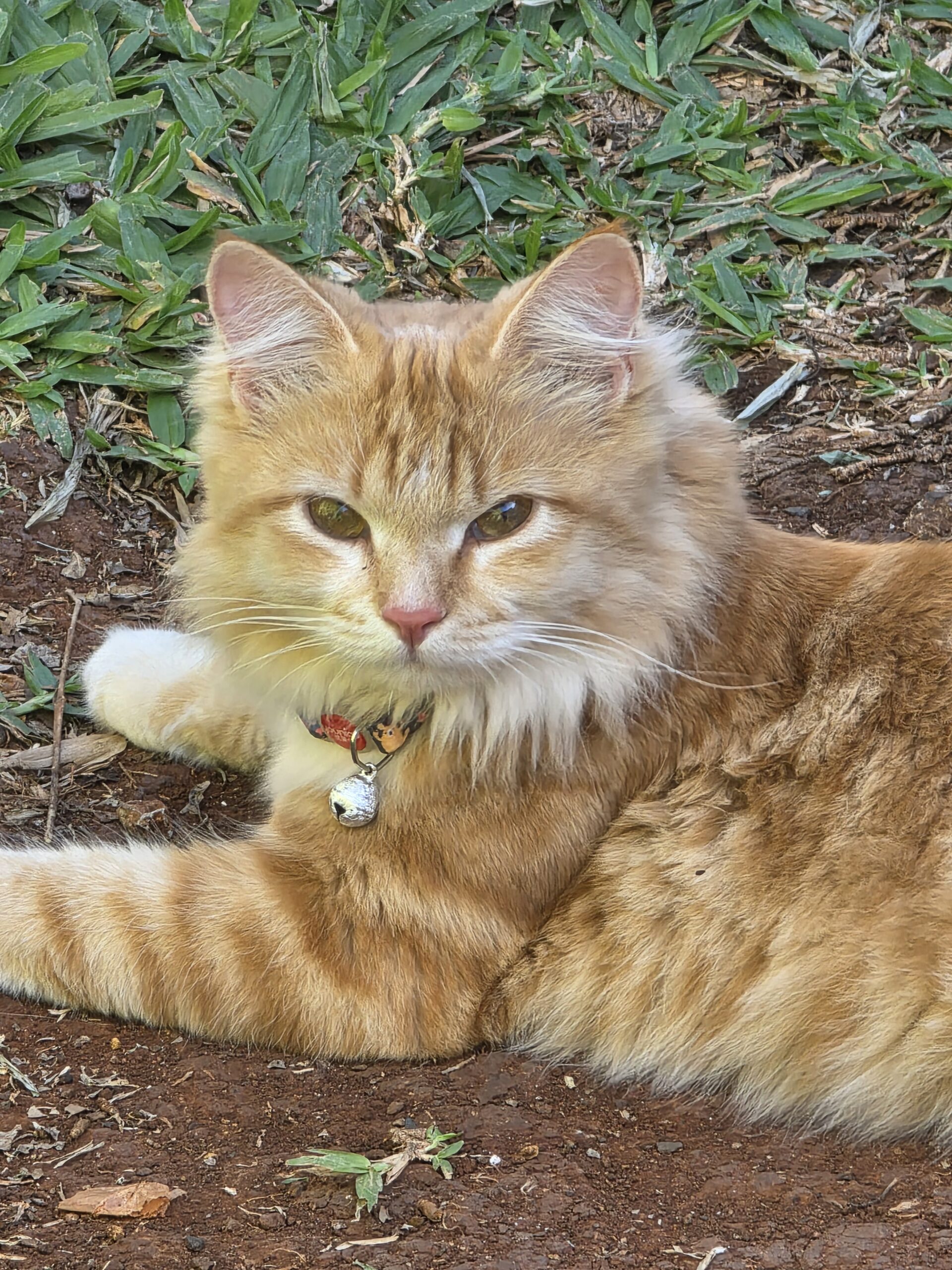
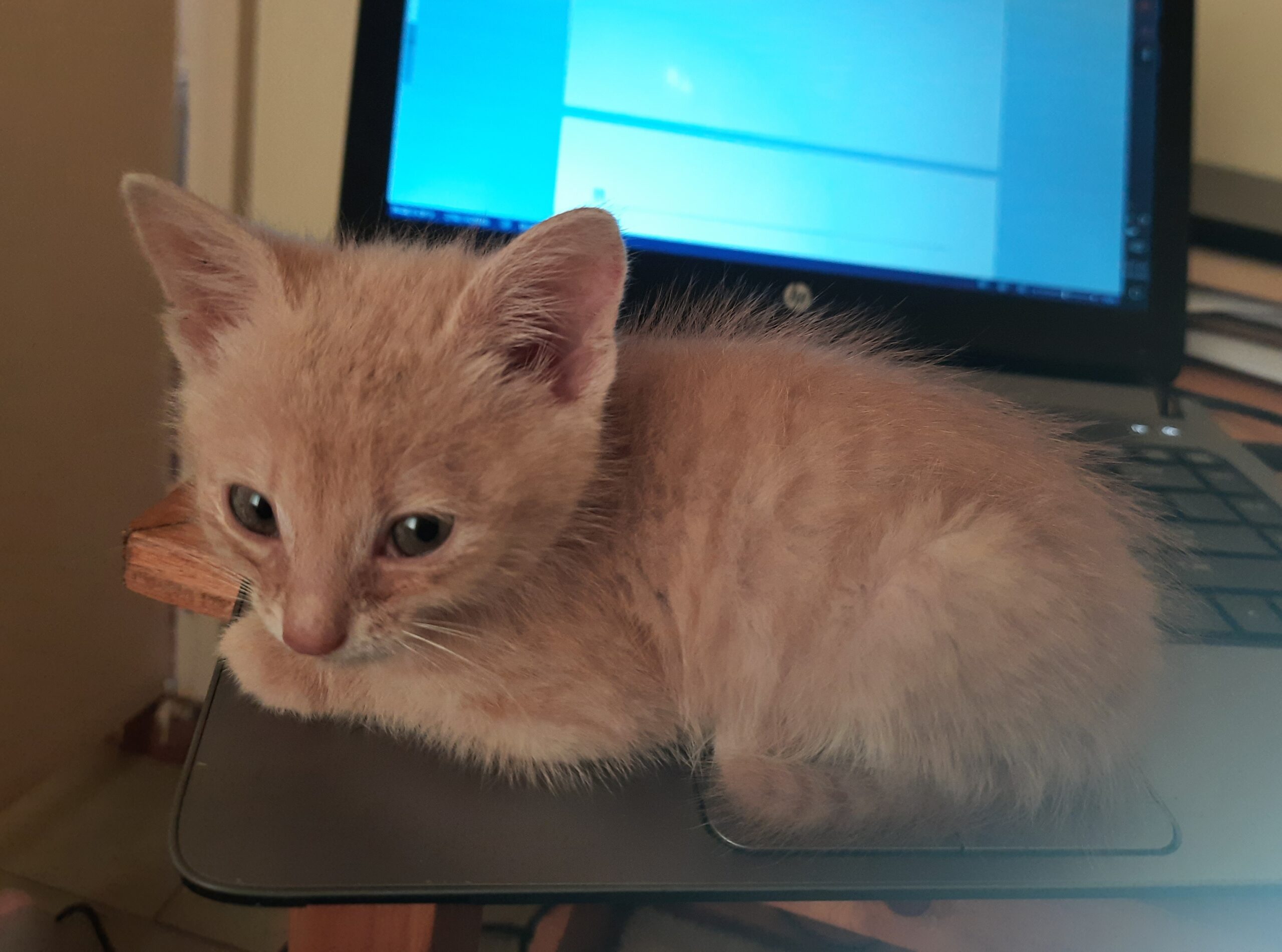
A few years ago, I adopted a cat and her four fragile kittens from a friend. They were weak and needed special care. Over time, I found homes for three of the kittens—plus their mother—but I kept one: a ginger kitten with the sunniest personality.
For the first two months, she was playful and curious. Then one day, she started wobbling. Her balance was off. She’d fall often, her little legs struggling to obey her brain.
Concerned, I called my vet. He examined her and said she was showing signs of Cerebellar Hypoplasia (CH)—an unusual neurological disorder as a result of interrupted development of the brain, leading to uncoordinated movement. That’s when it dawned to me that I was taking care of a special needs cat. While he reassured me that many CH cats learn to adapt and live relatively normal lives, he also suggested putting her to sleep. I wasn’t sure. I still had hope that she would recover.
Watching her try to walk—tilting, stumbling, and sometimes circling—was heartbreaking. Her resilience moved me deeply, but so did the fear that I might be prolonging her struggle.
I sought a second opinion. This vet offered to take the special needs cat in for a few days and monitor her closely. After several tests, he confirmed the diagnosis. Then came the same advice: consider letting her go. He told me she would face constant difficulty and that putting her to sleep might be the kindest option.
I wrestled with the decision, unsure whether I was making it for her—or for me. In the end, I followed the professional judgment. Three days later, he called with the update. My kitten was gone. I had never even given her a name—perhaps because I was afraid to get too attached.
That decision broke me. It left a scar I never truly talked about. And after that, I couldn’t bring myself to adopt another cat. The heartbreak ran too deep. I feared I’d fail again. That I’d make another wrong decision. So for a long time, I simply didn’t try.
Then came Tannie.
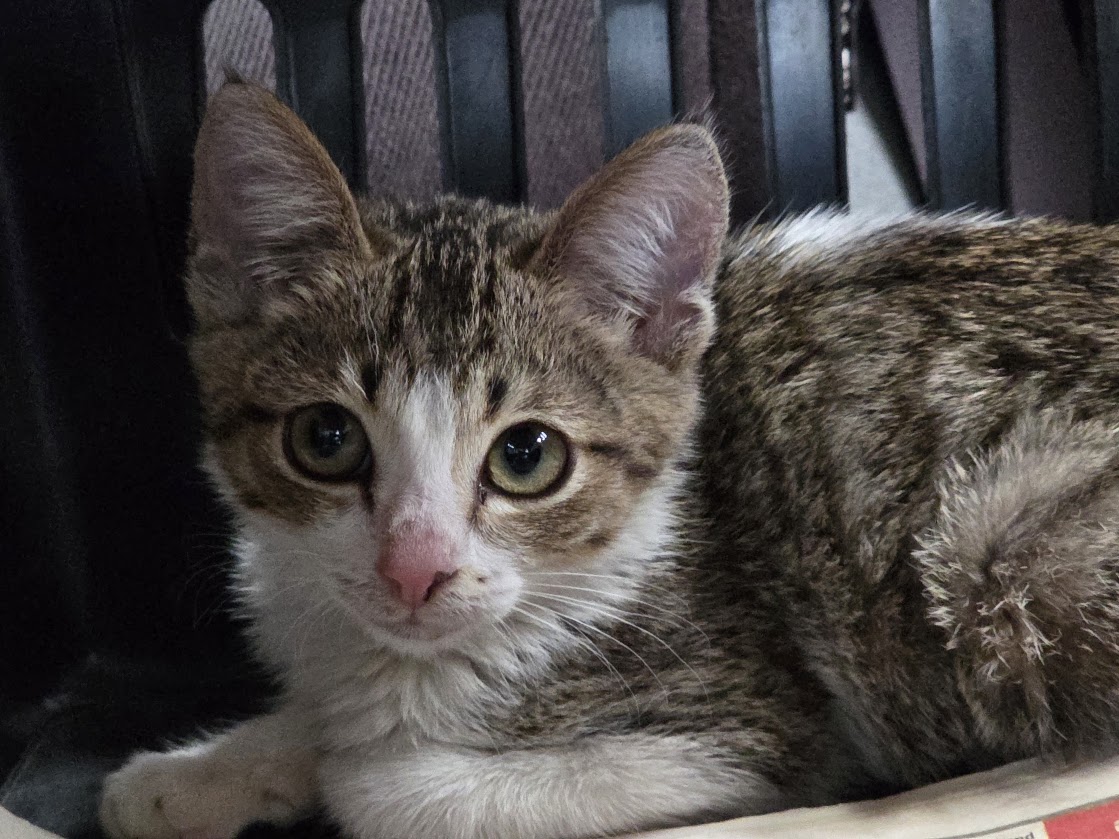
During a recent visit to the Nairobi Feline Sanctuary, I met a lovely tabby cat with gentle eyes. Rachel, who runs the sanctuary, introduced me to her.
“She has Cerebellar Hypoplasia,” she explained. “When Tannie first arrived, she could barely walk. But now—look at her.”
Tannie was radiant. She climbed onto visitors’ shoulders and purred as people stroked her.
Then Rachel said something that nearly undid me: “She was once adopted, but brought back because she was too needy.”
Too needy? No. Tannie is deeply loving. After a life of neglect, she clings to kindness. What she needs isn’t pity—it’s a home that sees her devotion not as a burden, but as a gift.
And there it was. The ache. The guilt. The what if. If only I had known what I know now. That CH cats don’t need fixing—they need time. That love, patience, and a safe space can give them a full, meaningful life. Tannie is proof.
I still don’t know if I made the right decision all those years ago. Meeting Tannie reopened that heartbreak—and gently began to heal it.
It reminded me that special needs cats aren’t broken. They’re just different. And sometimes, difference is where the deepest connections lie.
Whisker Wonders Reflection
Some rescue stories leave us smiling. Others leave us heartbroken. But each encounter—like mine with Tannie—is a chance to love better, to grow, and to offer second chances to those who need us the most.
If you’ve ever loved a special needs pet—or carry the weight of a difficult choice—your story matters. Share it below. You never know who it might help.
 Read also: How An Abandoned Cat Found Love and Warmth at Thermal Therapy Centre.