By Whisker Wonders Kenya,
Does God care how we treat animals? Scripture answers with remarkable clarity: compassion toward animals is not peripheral, it is embedded in covenantal ethics, wisdom literature, and the teachings of Christ.

Across the Old and New Testaments, animals are not treated as disposable property. They are depicted as creatures known by God, sustained by Him, and worthy of humane treatment.
Let us examine the textual evidence.
- Dominion Is Stewardship — Not Exploitation
“Let them have dominion over the fish of the sea and over the birds of the heavens and over every living thing that moves on the earth.” — Genesis 1:26
This foundational verse establishes humanity’s role as caretakers within creation. The Hebrew word for dominion does not imply reckless control, but responsible governance that reflects God’s own character. Biblically, authority is never detached from accountability. To exercise dominion is to mirror the Creator’s justice, compassion, and care. Exploitation contradicts God’s design; stewardship fulfills it
- Righteousness and Animal Care
“A righteous man regards the life of his animal, but the tender mercies of the wicked are cruel.” — Proverbs 12:10
This proverb establishes a moral diagnostic: how a person treats animals reveals character. The Hebrew phrase “knows the life” implies attentive stewardship—ongoing, responsible care. Biblically, cruelty is not morally neutral. It is a sign of distorted compassion. Conversely, gentleness toward animals is evidence of righteousness.
- The Sabbath Includes Animals
“Six days do your work, but on the seventh day do not work, so that your ox and your donkey may rest.” — Exodus 23:12
The Fourth Commandment extends Sabbath rest to working animals. They are not instruments of endless productivity. They share in the rhythm of rest ordained by God. This is not sentimentality. It is legislation embedded in covenant law.
- Help Even Your Enemy’s Animal
“If you see the donkey of someone who hates you fallen down under its load, do not leave it there; be sure you help them with it.” — Exodus 23:5
Compassion transcends interpersonal conflict. Even when the animal belongs to an adversary, its suffering demands intervention. The command prioritizes mercy over resentment.
- Fair Treatment for Working Animals
“Do not muzzle an ox while it is treading out the grain.” — Deuteronomy 25:4
This law protects animals from exploitative labour. As the ox threshes grain, it must be allowed to eat. Later, Paul applies the principle to human workers but its original context is explicit animal welfare.
- God Sustains Wild Creatures
“The lions roar for their prey and seek their food from God.” — Psalm 104:21
Wild animals—untamed, economically useless to humans—are portrayed as recipients of divine provision. God’s concern is not limited to domesticated animals. Creation itself depends on Him.
- Not One Sparrow Forgotten
“Are not five sparrows sold for two pennies? Yet not one of them is forgotten by God.” — Luke 12:6
Jesus affirms that even the smallest, seemingly insignificant creatures are remembered by God. The theological implication is straightforward: if God remembers them, human disregard is incompatible with godly character.
- Rescue on the Sabbath
“If one of you has a child or an ox that falls into a well on the Sabbath day, will you not immediately pull it out?” — Luke 14:5
Jesus references a shared assumption: animals in distress must be rescued—even on the Sabbath. Mercy overrides ritual rigidity.
What This Means for Us Today
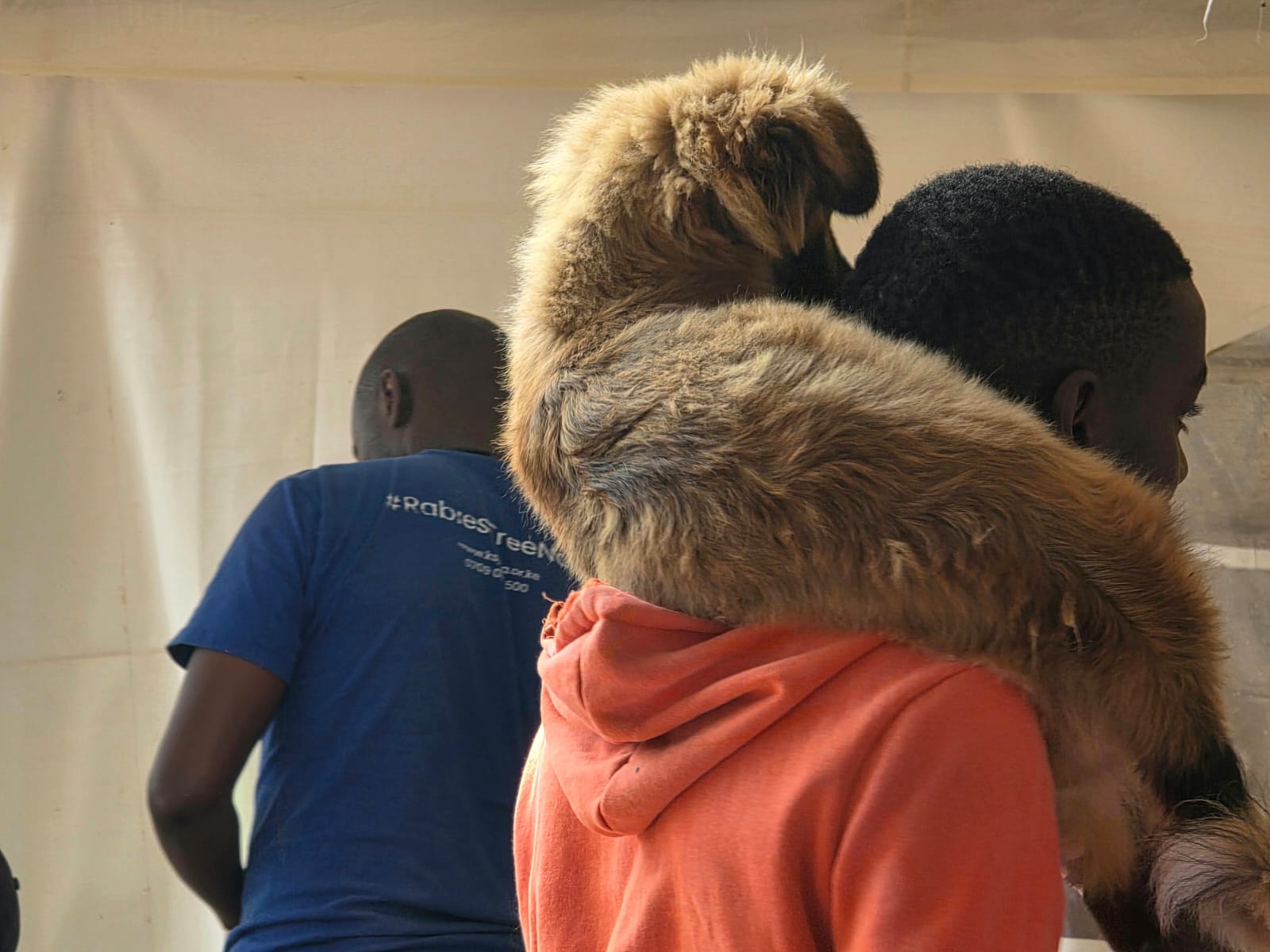
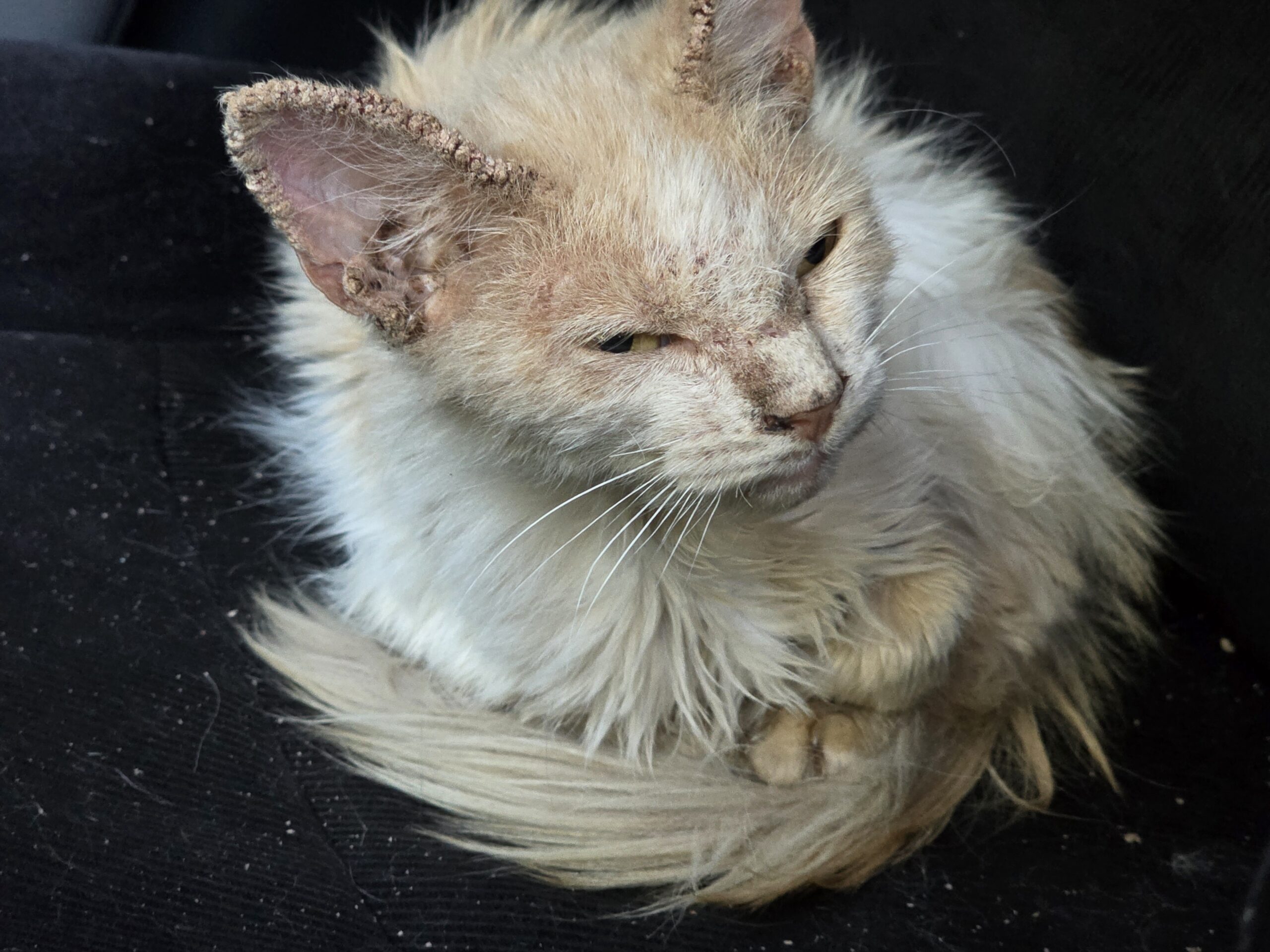
For those of us in Nairobi and across Kenya—where stray populations, abandonment, and rabies remain pressing realities—these Scriptures are not abstract theology. They call for tangible action.
Biblical compassion looks like:
- Feeding and providing clean water for strays
- Sterilising pets to prevent abandonment cycles
- Reporting cruelty and neglect
- Choosing adoption over impulse buying
- Supporting shelters such as Kenya Society for the Protection and Care of Animals
- Partnering with rescue initiatives like Nairobi Feline Sanctuary
- Teaching children gentleness toward animals
- Advocating for stronger enforcement of animal welfare laws
Caring for animals is not a sentimental weakness. It is faith expressed in action.
When we protect the voiceless, we reflect the heart of the Creator.
At Whisker Wonders Kenya, this conviction shapes our advocacy: compassion is not optional. It is faithful living.