By Whisker Wonders Kenya,
On September 28th, the world comes together to mark World Rabies Day—a day dedicated to raising awareness about rabies prevention and celebrating progress in defeating this horrifying disease.
A collective Responsibility
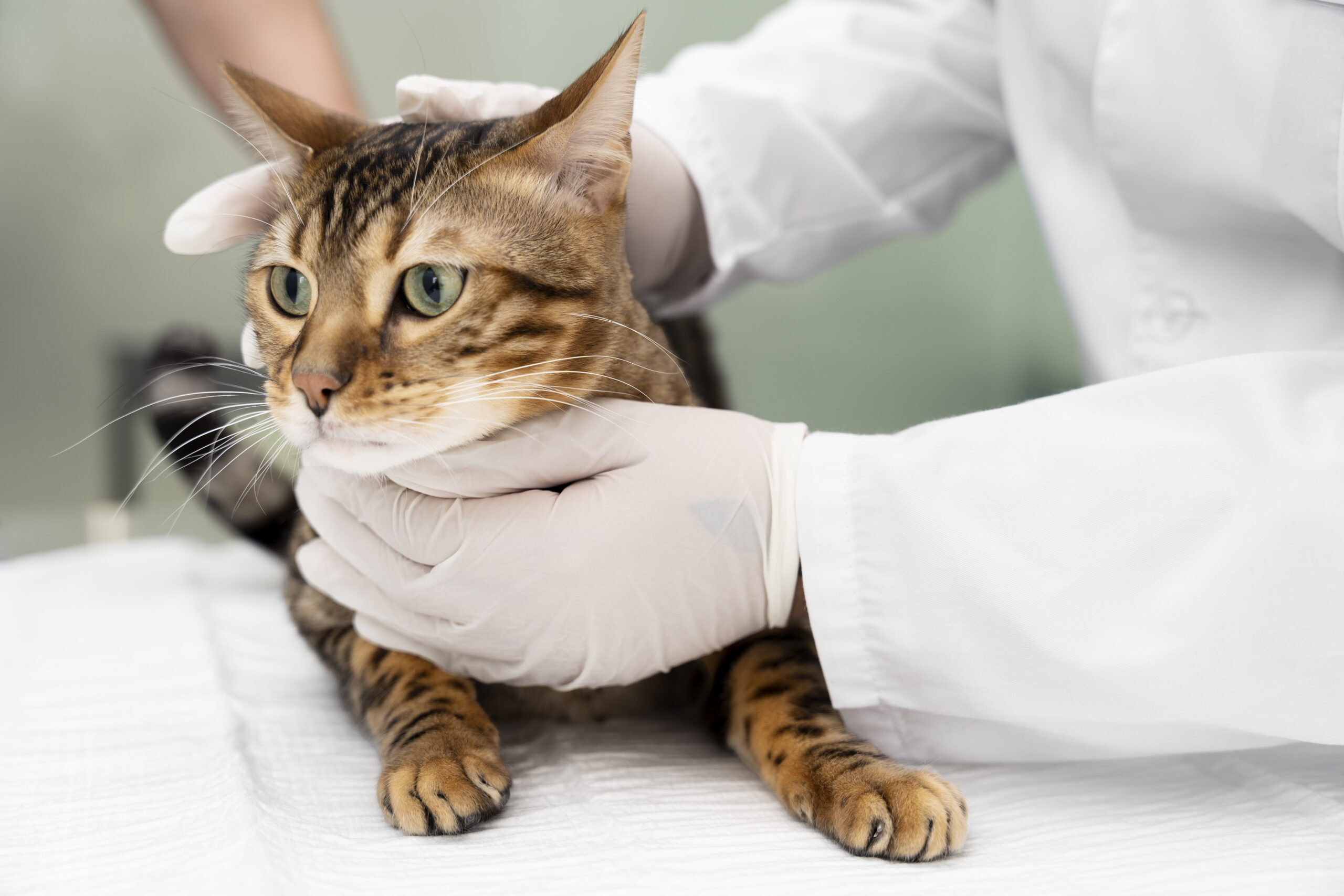
The theme for this year’s celebration is “Act Now: You, Me, Community.” Addressing rabies is a collective responsibility. It takes individuals vaccinating their pets, communities running awareness drives, governments supporting vaccination campaigns, and health professionals providing timely treatment. Together, these actions form a united front against one of the deadliest yet most preventable diseases in the world.
What is Rabies?
According to the World Health Organization (WHO), rabies is a viral zoonotic disease that causes fatal inflammation of the brain and spinal cord. It has two forms:
-
Furious rabies – marked by hyperactivity, aggression, and hallucinations.
-
Paralytic rabies – marked by muscle weakness, paralysis, and eventually coma.
Once symptoms appear, rabies is almost always fatal. Yet, it is entirely preventable—vaccines and medicines have long been available. Still, tens of thousands die each year, with 99% of human cases traced to bites from infected dogs.
Rabies causes an estimated 59,000 deaths annually in over 150 countries, with 95% of cases in Africa and Asia. The burden falls heavily on rural poor populations, with nearly half of cases in children under 15.

Animals Affected by Rabies
Rabies can affect all mammals, domestic and wild. Common carriers include:
-
Dogs – the leading source of human rabies infections worldwide.
-
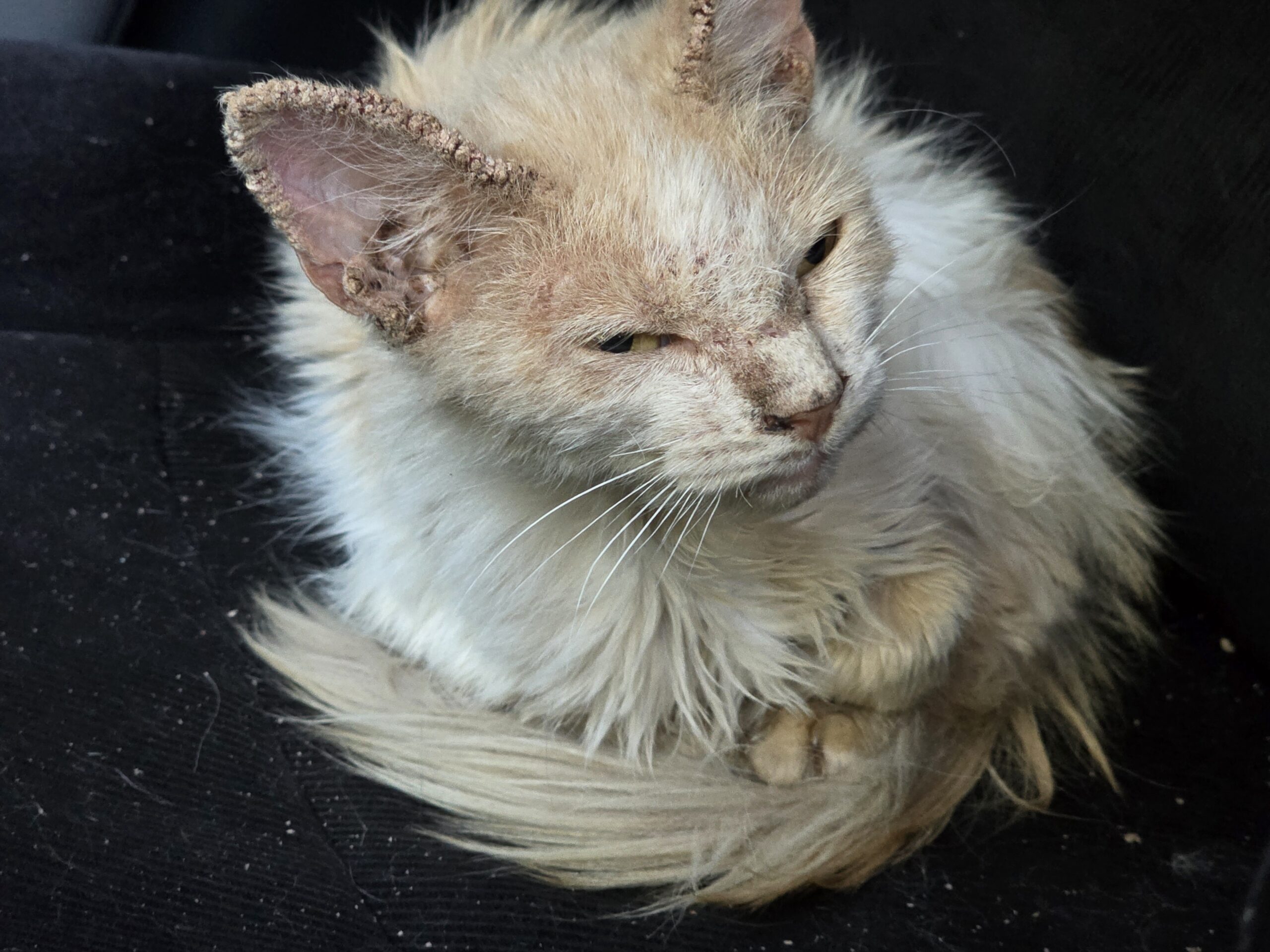
Cats – especially unvaccinated strays and outdoor cats.
-
Bats – important reservoirs of rabies in many regions.
-
Wildlife – such as foxes, jackals, raccoons, and skunks.
-
Farm animals – including cattle, goats, and horses.
This wide range of susceptible animals shows why vaccination of pets and control of stray populations are critical.
How Often Should Pets Be Vaccinated?
Puppies and kittens usually receive their first rabies shot at 3–4 months, followed by a booster one year later. After that, pets should get a booster every year (or every three years depending on the vaccine type and veterinary advice).
In regions like Kenya and across Africa, where rabies remains widespread, annual vaccination is the safest approach. Keeping up with this schedule protects pets, families, and communities.
Local Efforts to Fight Rabies
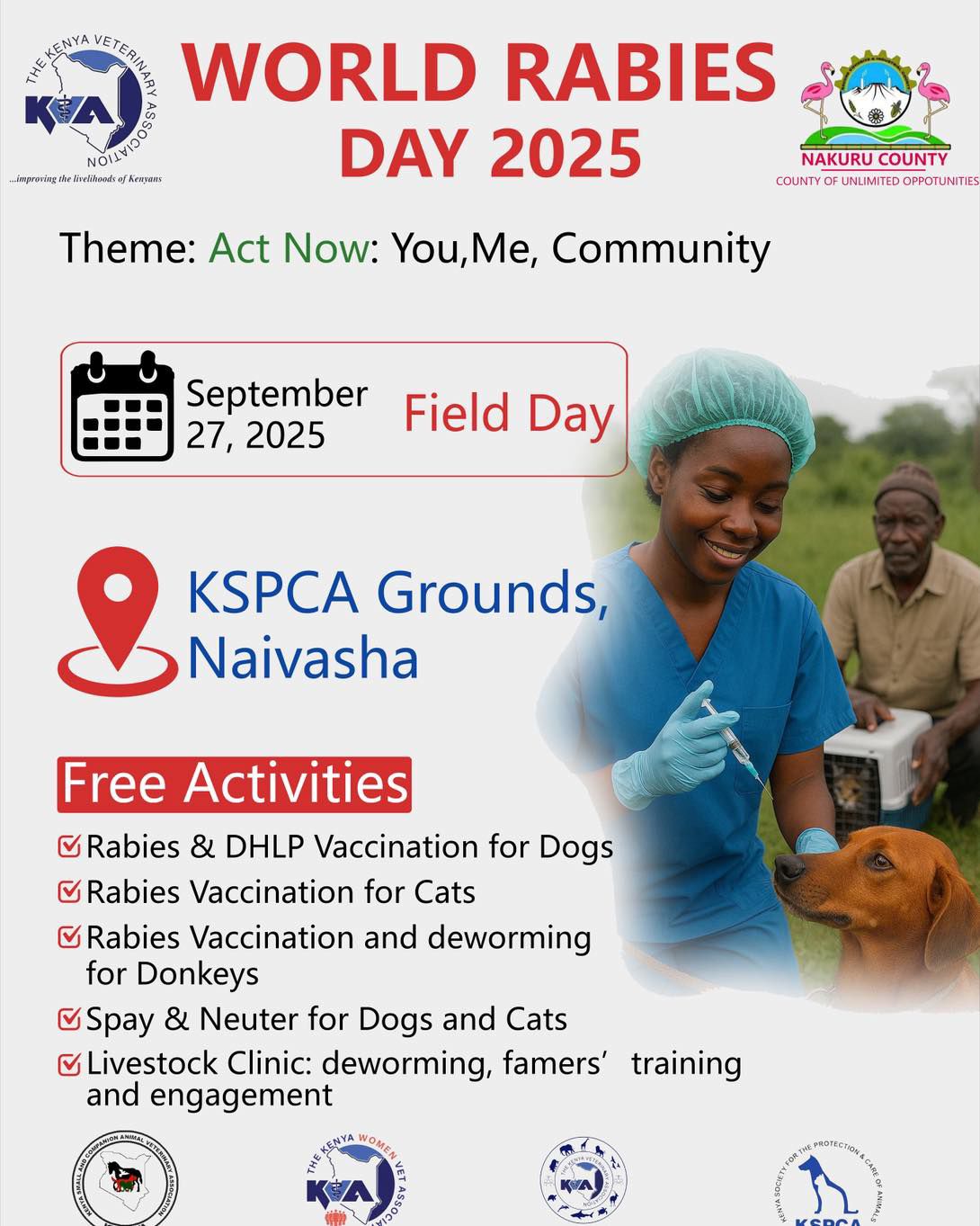
In Kenya, prevention is being prioritized. The Kenya Society for the Protection & Care of Animals (KSPCA), together with the Kenya Veterinary Association (KVA), runs campaigns offering free rabies vaccinations for animals.
This year, a free vaccination drive will be held at the KSPCA Naivasha grounds on September 27th 2025 giving pet owners and community members a chance to protect their dogs and cats. Such efforts are key to Kenya’s goal of becoming rabies-free by 2030.
Why Your Pet’s Rabies Shot Matters
The rabies vaccine isn’t just good for your pet—it’s essential for everyone’s safety:
-
Protects Your Pet’s Life – Rabies is incurable, but vaccination shields your pet.
-
Keeps Your Family Safe – Vaccinated pets cannot pass the virus to loved ones.
-
Stops Community Spread – Vaccinated dogs help prevent outbreaks.
-
It’s the Law – In Kenya and many countries, rabies vaccination is mandatory.
-
Peace of Mind – Vaccinated pets give owners security and confidence.
Whisker Wonders Reflection 🐾
At Whisker Wonders, we believe caring for pets goes hand in hand with protecting communities. A rabies shot saves lives, ends suffering, and brings us closer to a rabies-free world. By vaccinating our furry friends, we give them safety, protect families, and uphold compassion and responsibility. This World Rabies Day, let’s commit to keeping pets safe and communities united in the fight against rabies.
Read more: Why spaying and neutering is good for your pet.